Carrots And Potatoes Recipe
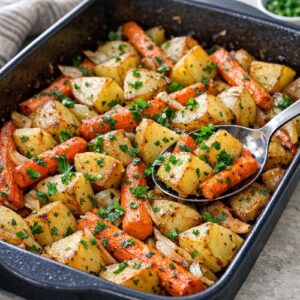
You know that golden, buttery roasted carrot and potato side dish from your favorite steakhouse? The one you've been ordering for years because it's impossibly tender and packed with herb-infused flavor? I spent months cracking the code on this one. What started as curiosity became my mission after I realized I could make this at home for a fraction of the restaurant price, with fresher vegetables and more control over every element. Let me walk you through how to recreate this magic in your own kitchen.
Servings 6
Calories 187kcal
Ingredients
- 2 tablespoon unsalted butter melted and still warm before tossing with vegetables
- 1 tablespoon fresh garlic minced from cloves, not pre-minced, which loses volatile aromatics
- 1 pound small potatoes halved lengthwise for even cooking and maximum surface area
- 2 tablespoon fresh Italian parsley chopped just before serving to preserve bright color and fresh flavor
- Light cooking spray for the sheet pan to prevent sticking without adding extra fat
- ½ teaspoon dried thyme or 1 teaspoon fresh thyme leaves stripped from stems
- 1½ teaspoon fine sea salt divided, with most added upfront and a pinch reserved for finishing
- ¼ teaspoon freshly ground black pepper ground fresh from whole peppercorns for maximum spice notes
- 1 pound whole carrots peeled and cut into thick 1-inch rounds to match potato cooking time
- 3 tablespoon extra-virgin olive oil cold-pressed for better flavor retention during roasting
Instructions
Step 1: Prepare Your Vegetables and Your Pan
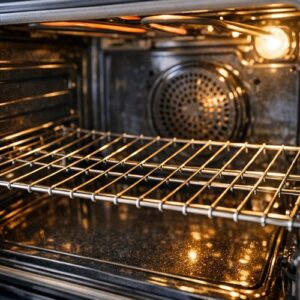
- Start by positioning your oven rack to the middle position and preheating your oven to 400 degrees Fahrenheit. Your oven needs time to reach full temperature—this usually takes about 15 minutes. This temperature is hot enough to create serious caramelization but not so aggressive that it burns the exterior before the inside cooks through. While your oven preheats, prepare a large sheet pan by coating it lightly with cooking spray. Spray both the bottom and the sides. This step prevents sticking without adding extra fat that might affect your roasting. You want the vegetables to make contact with the hot pan surface directly for maximum browning. Rinse your potatoes under cool running water and pat them completely dry with paper towels. Moisture is the enemy of caramelization. Wet vegetables steam instead of roast. Cut each potato in half lengthwise—don't cut them into rounds or cubes. The flat side will rest directly on the pan and create that beautiful brown crust. Aim for pieces roughly the same size so they cook evenly. Peel your carrots with a vegetable peeler, then cut them on a slight bias into thick rounds, about 1 inch thick. The bias cut creates more surface area for browning. Making them 1 inch thick ensures they'll be tender inside but not mushy, and they'll finish at exactly the same time as your potatoes.
Step 2: Create Your Fat and Seasoning Base
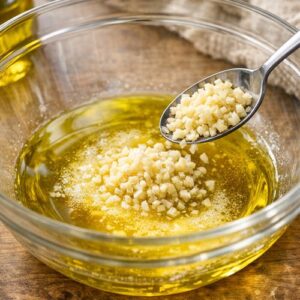
- In a large mixing bowl, combine your olive oil and melted butter while the butter is still warm. The warmth helps them blend smoothly. Add your minced fresh garlic, salt, pepper, and dried thyme to this mixture. Here's the professional technique most home cooks miss: whisk this mixture for about 30 seconds until it becomes slightly emulsified. You're not making an emulsion like mayonnaise, but you're breaking down the fat slightly so it coats more evenly and carries the seasonings and garlic more efficiently. The oil, butter, garlic, and herbs should look like a cohesive coating, not like separated ingredients. Smell the mixture at this point. You should get brightness from the garlic and earthiness from the thyme. If the garlic smells harsh or raw, that's normal—it will mellow considerably during roasting.
Step 3: Coat Your Vegetables Thoroughly
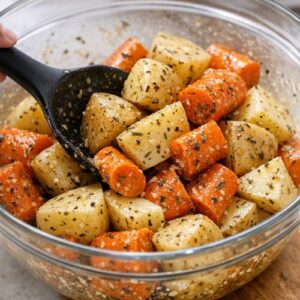
- Add your prepared potatoes and carrots to the bowl with the oil mixture. Using a large spoon or silicone spatula, toss the vegetables continuously for about 1 minute. Every single piece needs to be completely coated with the fat and seasoning mixture. This coating is what creates the crust and carries all the flavor. I usually toss, then push the vegetables to one side of the bowl, tip the bowl to collect any liquid at the bottom, and spoon that pooled seasoning oil back over the vegetables, then toss again. Do this two or three times. You want to see every piece glistening with oil and seasoning. As you toss, you'll notice the vegetables start to release a tiny bit of moisture. That's fine—it actually helps during roasting.
Step 4: Spread on the Pan in a Single Layer
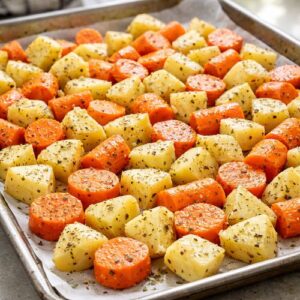
- Pour the entire contents of your bowl onto the prepared sheet pan. Here comes the critical technique: arrange every piece in a single layer, with the flat sides of the potatoes facing down on the pan. Don't crowd them. They should be touching each other, but not piled on top of one another. If they're stacked, they'll steam instead of roast. This might require two sheet pans if yours is small. That's okay. Two pans roasting simultaneously will actually finish at the same time because they'll both have good air circulation. Make sure the flat sides of the potatoes are pressed down against the pan. The contact between the vegetable and the hot pan surface is where the magic happens. That's where your Maillard reaction occurs.
Step 5: Roast Until Caramelized and Tender
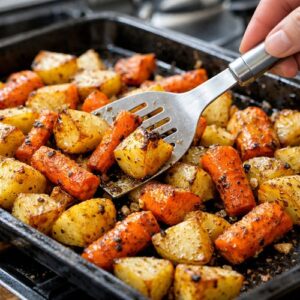
- Slide your pan into the preheated oven and set a timer for 15 minutes. After 15 minutes, remove the pan and gently stir or flip the vegetables using a spatula or wooden spoon. You're not trying to shuffle them around completely—just turn them so the other sides can brown. Return the pan to the oven for another 15-20 minutes. Start checking for doneness at the 25-minute mark. You're looking for two things: the potatoes should be completely tender when you pierce them with a fork, and the carrots should have no resistance when you bite one (but not be mushy—you want that slight firmness at the very center). The exteriors should be noticeably browned, almost golden-brown on the high points. This browning is flavor. Don't skip this step or rush past it. You need at least 30 minutes total, often closer to 40 minutes depending on your oven. You'll know it's done when the kitchen smells incredible—deep, slightly sweet, with hints of thyme and caramelized vegetables.
Step 6: Finish with Fresh Parsley and Serve Immediately
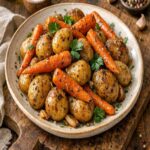
- Remove your pan from the oven and let it sit for just 2 minutes—this lets the vegetables relax and makes them slightly easier to plate. Sprinkle the fresh chopped parsley evenly over the top. The parsley isn't just garnish; it adds brightness and a fresh herbal note that contrasts beautifully with the deep caramelized flavors. Transfer to a serving bowl or plate while still warm. Serve immediately. The contrast between the warm vegetables and the fresh herbs is part of the experience.