
Picture this: You’re rushing out the door on a Tuesday morning, but you want something that tastes like it came from a restaurant kitchen, not a drive-through window. I remember the first time my mother made me a warm, hearty breakfast that fit in my hands—I was amazed that something so satisfying could be ready before my coffee cooled down. That’s the magic I want to share with you today. This breakfast mug transforms simple ingredients into a savory, protein-packed meal that feels indulgent but takes just minutes to prepare. Whether you’re feeding yourself, your family, or unexpected guests, this recipe proves that convenient food doesn’t mean compromising on nutrition or flavor. If you love quick morning solutions, you’ll also appreciate how I approach other quick breakfast options that still nourish your body well.
Breakfast In A Cup Recipe That Will Transform Your Mornings
I was sitting at my mother’s kitchen table one Saturday morning when she pulled a steaming mug from the microwave. Inside was layers of tender potatoes, fluffy eggs, and melted cheese—all cooked right in front of me in what felt like seconds. She smiled and said, “Glennis, this is how you make love practical.” That moment taught me that the best meals aren’t always the most complicated ones. They’re the ones that show up when life gets busy, that nourish without demanding hours of your time, and that taste like someone actually cares about you. This breakfast in a cup is exactly that kind of recipe. It’s my answer to rushed mornings, unexpected houseguests, and that 6 a.m. moment when you need something substantial but don’t have mental energy for cooking.

When to Make Breakfast In A Cup Recipe
This recipe shines in so many different moments of life. It’s flexible enough for your daily routine but impressive enough for special occasions. Let me share exactly when and why this becomes your secret weapon in the kitchen.
- Busy Weekday Mornings – When you need a complete breakfast with protein, vegetables, and grains all in one vessel, this delivers in five minutes flat. No dishes piling up in the sink, no complicated steps between you and your first sip of coffee.
- Weekend Brunch with Guests – I love making these when friends visit on Saturday mornings. You can prepare multiple mugs simultaneously, and each guest gets a personalized, warm meal without you disappearing into the kitchen for an hour.
- Back-to-School Mornings – When your kids need fuel before sports practice or early classes, this gives them sustained energy with eggs, potatoes, and protein from the ham. Parents tell me their kids actually ask for this breakfast.
- Meal Prep for the Work Week – You can assemble the dry ingredients in mugs the night before, then simply microwave and serve each morning. It’s like having breakfast waiting for you.
- Post-Workout Breakfast – The combination of carbohydrates from potatoes and protein from eggs and ham makes this ideal recovery food. Your muscles get exactly what they need to repair and strengthen.
What Makes This Breakfast In A Cup Recipe Special
As a registered dietitian, I’m always thinking about how food makes us feel in our bodies and in our hearts. This recipe works on both levels. The potatoes provide complex carbohydrates that stabilize blood sugar and give you steady energy through your morning. The eggs deliver complete protein with all nine essential amino acids. The ham adds savory depth and iron. But beyond the nutrition science, this recipe is special because it proves that weekday breakfast doesn’t have to be cereal or a sad desk-side granola bar.
What elevates this from “quick” to “actually delicious” is the combination of textures and flavors you get in each spoonful. The creamy eggs coat tender potato pieces. The cheese melts slightly into warm pockets. The green onion brightness cuts through the richness. And all of this happens in a mug you can hold while you check your email or help your kids find their shoes. That’s the real magic—food that nourishes without demanding center stage, that tastes intentional without being complicated.
Scaling for Your Crowd
One of the questions I get most often is how to multiply recipes for feeding more people. This breakfast mug is beautifully scalable because you’re making individual portions. Here’s exactly how I adjust based on how many people I’m feeding.
- For 1 Person – Follow the recipe exactly as written. One 14-16 ounce mug takes about three minutes of microwave time, total. This is your personal breakfast solution.
- For 2-4 People – Double, triple, or quadruple the ingredient quantities and prepare each mug separately. The beauty is that everyone gets their breakfast assembled at the same time. Microwave times stay the same—about 40 second intervals until eggs are set, which takes roughly two to three minutes per mug.
- For 5-8 People – This is where I prep assembly-line style. Have all ingredients prepped and measured. Layer the potatoes in mugs first while you’re in assembly mode, then circle back adding eggs and toppings. You can actually stagger the microwave cooking so people eat in batches rather than one person waiting forever.
- For a Brunch Party (8+ People) – I prepare all the mug ingredients the night before, keeping them covered in the refrigerator. Morning of, I add the egg mixture and microwave in batches of four. Set up a “breakfast station” where people grab their warm mug and any sides you’re serving alongside.
The Ingredients
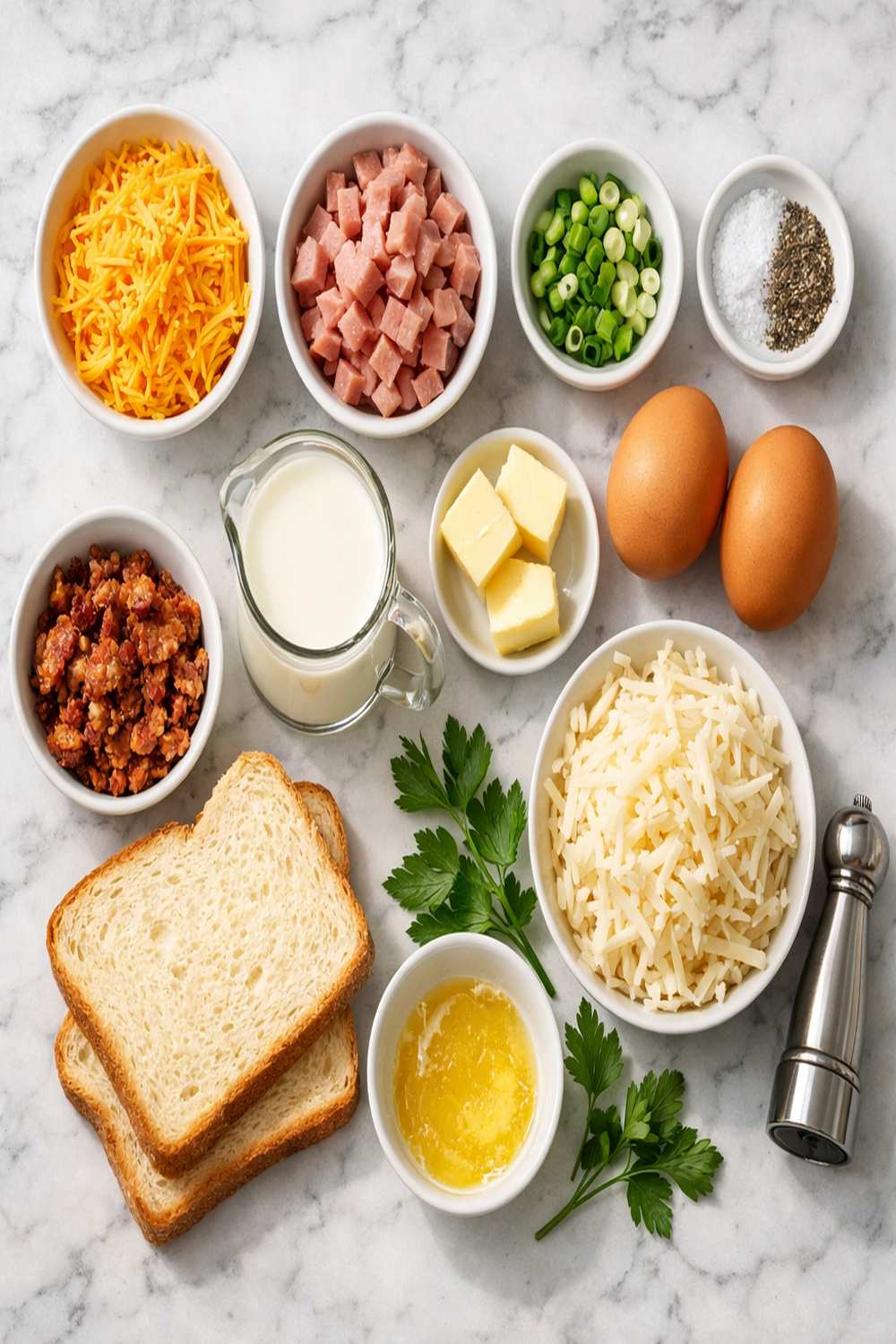
Here’s everything you need to create a breakfast that tastes like you spent an hour cooking but actually took just minutes. Each ingredient serves a specific purpose, and together they create something greater than the sum of their parts.
- 2 large eggs (room temperature works best for even cooking)
- 1 green onion (sliced thin, both white and green parts)
- 2 tablespoons shredded cheddar cheese (sharp cheddar adds more flavor than mild)
- 3 small potatoes (pre-cooked microwave packet with savory herb seasoning, about 5-6 ounces)
- 1 pinch sea salt (adjust to taste after cooking since ham adds saltiness)
- 1 tablespoon unsalted butter (for greasing your mug lightly)
- Fresh cracked black pepper (a small pinch adds complexity without overpowering)
- 1 tablespoon whole milk (full-fat creates a creamier texture)
- ⅓ cup diced cooked ham (quality matters here—look for ham without excessive nitrates)
How to Make Breakfast In A Cup Recipe for Your Occasion
This is where the magic happens, and I promise you it’s simpler than you’re imagining. I’ve taught this recipe to rushed parents, busy professionals, and home cooks who swear they can’t make breakfast. Every single one comes back amazed at how straightforward it is. Let me walk you through each step so you feel confident and in control.
Step 1: Prepare Your Potatoes with Care
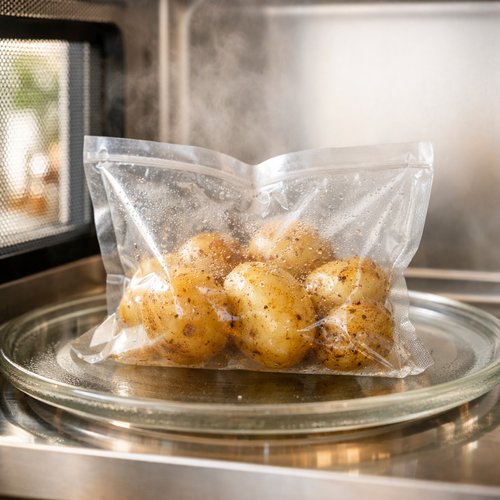
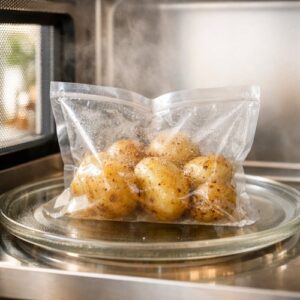
Start by cooking your microwave-ready potato packet according to the package directions—usually about four to five minutes. While they’re cooking, I like to prep my other ingredients so everything is ready to assemble. Once the potatoes are tender, stir in the seasoning packet that comes with them and let them cool just slightly. This matters because you want them warm but not so hot that they begin cooking your eggs prematurely. I usually give them about two minutes to cool while I gather my other ingredients.
Step 2: Layer Your Foundation
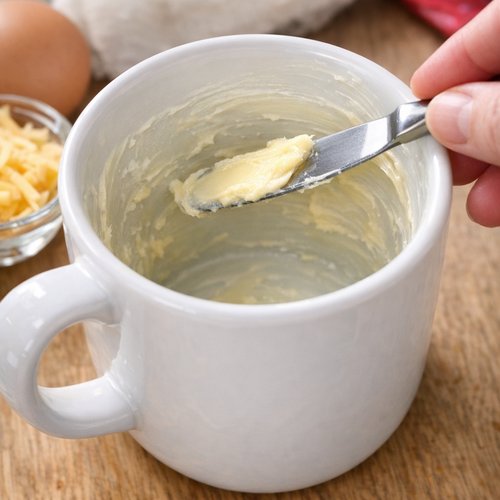
Take a 14 to 16 ounce microwave-safe mug and give the inside a very light coating of butter. This prevents sticking and makes cleanup effortless. Now chop those three cooled potatoes into bite-sized pieces—about half-inch chunks work perfectly. Layer these pieces into the bottom of your mug. They should fill roughly the bottom third of your mug, creating a sturdy foundation for everything that comes next.
Step 3: Create Your Egg Mixture
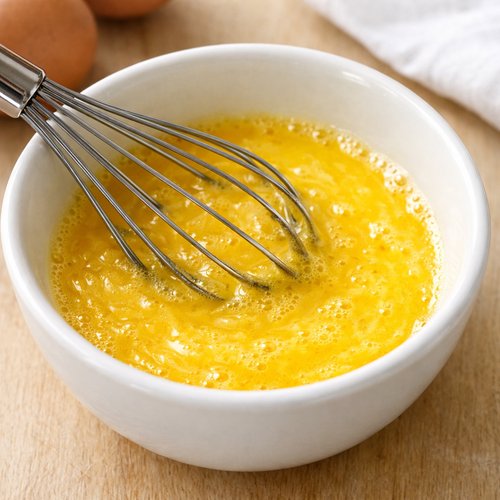
In a small bowl, whisk your two eggs together gently—you’re not looking for stiff peaks, just a uniform mixture where the whites and yolks are combined. Add your tablespoon of milk, which creates a creamier texture and helps the eggs cook more evenly. Pour this mixture into your mug with the potatoes. Now add your diced ham, shredded cheese, sliced green onion, and that pinch of salt. Stir everything together thoroughly so the ingredients are distributed evenly throughout. This ensures every spoonful has the perfect balance of flavors.
Step 4: Microwave in Intervals for Perfect Texture
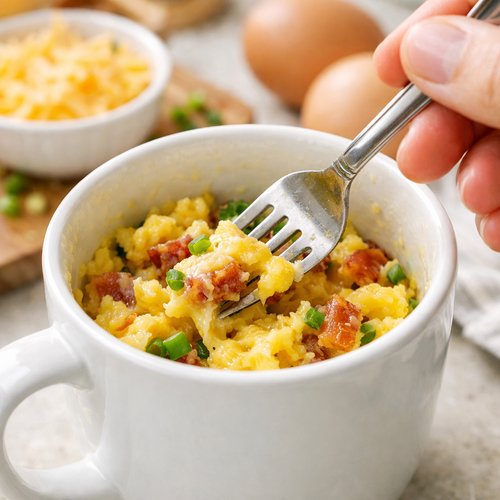
Here’s the professional tip that makes this recipe foolproof: microwave on high power in 40-second intervals. After the first interval, stir gently. After the second interval, stir again. At this point, you’ll see that most of your egg is starting to set, but there’s still liquid egg visible. Microwave for a third 40-second interval without stirring—this allows the top layer to set properly. Check for doneness. The eggs should be completely set with no liquid egg remaining, but they should still look slightly moist and custard-like, not rubbery. Total cooking time is usually two to three minutes. If you have a lower wattage microwave, you may need to add additional 20-second intervals.
Step 5: Rest and Serve Immediately
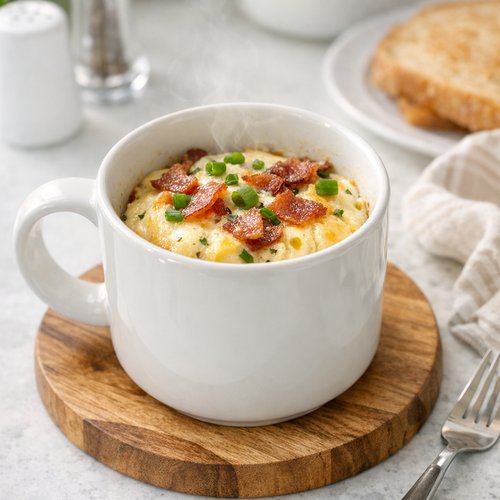
Remove your mug from the microwave carefully—it will be very hot. Set it on a heat-safe surface and let it rest for exactly one minute. This allows the eggs to finish cooking slightly from residual heat without overcooking. Serve immediately while everything is warm and the cheese is still melted. I like to grab a spoon and eat directly from the mug, which means fewer dishes. But if you prefer a plate, simply turn it upside down and slide your breakfast onto a surface where you can eat it more traditionally.
Expert’s Nutritional Tip
As a registered dietitian, I want you to understand why this recipe works so beautifully for sustained morning energy. The combination of protein (from eggs and ham), complex carbohydrates (from potatoes), and a small amount of fat (from cheese and milk) creates what we call a balanced macronutrient profile. Your blood sugar rises gradually, reaches a stable plateau, and doesn’t crash before lunch. That means no mid-morning energy crash, no reaching for cookies at your desk, and no afternoon brain fog. This is why I recommend this breakfast to my clients who struggle with energy levels throughout their day.
Make-Ahead Timeline
- Three Days Before – Purchase all your ingredients and check expiration dates on eggs and ham. Quality ingredients make a noticeable difference in the final result.
- The Night Before – Cook your microwave potato packet and let it cool completely. Dice your potatoes and store them in an airtight container in the refrigerator. Slice your green onion and store separately. Dice your ham and store covered. You can even measure out your cheese ahead of time.
- Morning Of – Assemble your mug with the prepared potatoes, then whisk your eggs with milk and combine everything else. Microwave according to directions. The actual hands-on time is less than five minutes.
Common Mistakes to Avoid
After years of teaching this recipe and hearing what goes wrong when people try it at home, I want to help you sidestep these common pitfalls. Each one has a simple fix.
- Overmixing Your Eggs – If you whisk your eggs vigorously or use a blender, you incorporate too much air. This creates a texture that’s more like scrambled eggs than a creamy custard. Gentle whisking is all you need. Combine ingredients and stir, don’t beat.
- Skipping the Interval Method – I’ve had people set the microwave for three minutes and walk away. Without stirring during cooking, you get unevenly cooked eggs with overcooked edges and liquid centers. The 40-second interval method with stirring is the secret to perfect texture every time.
- Using Cold Ingredients – If your eggs come straight from the refrigerator and your potatoes are cold, cooking time increases and texture suffers. Let eggs sit on the counter for 15 minutes before cooking, and let potatoes cool to room temperature before assembling.
- Overfilling Your Mug – A 14 to 16 ounce mug has a specific capacity for a reason. If you overload it thinking “more food is better,” your breakfast will overflow during cooking. Stick to the measurements provided.
How to Present and Plate Breakfast In A Cup Recipe
The beauty of this recipe is that it looks as good as it tastes, and presentation is effortless because everything stays contained in your mug. When I’m serving this to guests, I want it to feel special and intentional, not rushed. Here’s how I make it restaurant-worthy.
- Use Interesting Mugs – Presentation starts with your vessel. Choose mugs that are attractive enough to go from microwave to table. I love ones with a handle that’s easy to grip and mugs that feel substantial rather than cheap-feeling. A beautiful mug makes ordinary food feel elevated.
- Garnish the Top – Just before serving, add a tiny pinch of fresh cracked black pepper to the top, plus a small green onion ring for color. It takes three seconds and makes a noticeable visual difference. If you’re serving guests, I sometimes add a tiny dollop of sour cream on top for richness and visual contrast.
- Serve on a Small Plate – When presenting to company, I place each mug on a small plate or saucer. It feels more intentional and gives people somewhere to set their spoon. This small gesture transforms breakfast from “eating from a mug” to “being served a thoughtfully prepared meal.”
Seasonal Variations
- Spring and Summer Version – Replace the ham with crispy crumbled bacon and add fresh diced tomatoes (about 2 tablespoons) along with fresh basil instead of green onion. You can also swap cheddar for a sharp white cheddar or even a smoked gouda for more complexity. The brightness of fresh herbs makes this version feel lighter and more summer-appropriate.
- Fall and Winter Version – Add ¼ cup diced roasted sweet potato mixed with your regular potatoes for earthiness and sweetness. Replace ham with smoked sausage or chorizo for deeper, spicier flavors. Use sharp cheddar and add a tiny pinch of smoked paprika for warmth. This version feels more substantial and comforting when temperatures drop.
What to Serve Alongside Breakfast In A Cup Recipe
While this breakfast mug is satisfying on its own, I love creating a complete morning experience around it. When I’m serving guests or building a weekend brunch menu, here’s what I add to round out the meal and keep everything manageable.
- Fresh Fruit – A simple side of berries, melon, or orange slices provides brightness and additional vitamins. Serve it in individual bowls so it feels intentional rather than an afterthought.
- Toast with Preserves – A simple piece of whole grain toast with butter or jam gives a carbohydrate complement and provides something to do with your hands while the eggs are cooling. It’s also nostalgic and comforting.
- Coffee or Tea Service – A hot beverage is essential. I prepare a coffee station or brew a pot of tea beforehand so guests feel welcomed and cared for. The warmth of a beverage pairs beautifully with a warm savory breakfast.
- Breakfast Pastry – If you want something sweet to round out a savory breakfast, a maple glazed doughnut or baked lemon donut adds indulgence without demanding much effort from you.
- Yogurt Parfait – Layer yogurt with granola and berries in small glasses. This provides a cool, light complement to the warm savory mug and gives guests options.
Can I Store Breakfast In A Cup Recipe?
This is a question I get often from meal-prep enthusiasts and busy parents. The answer is: yes, but with important timing considerations. This recipe is best served immediately after cooking, while everything is warm and the cheese is perfectly melted. However, I understand life isn’t always that straightforward.
In the Refrigerator: If you’ve already cooked your breakfast cup and want to save it, cover it and refrigerate immediately. It will keep for up to 24 hours, though texture changes slightly as the eggs firm up completely and the potatoes lose their warmth. To reheat, microwave on 50% power for 45 seconds to one minute, stirring occasionally. This lower power prevents the eggs from becoming rubbery.
Make-Ahead Assembly: What I recommend instead is preparing all your ingredients the night before—potatoes cooked and diced, ham diced, cheese measured, green onion sliced. Keep everything in separate containers. In the morning, simply assemble your mug and microwave fresh. This takes three minutes and you get a perfectly cooked breakfast rather than reheated eggs.
Freezing: I don’t recommend freezing cooked breakfast cups because the texture of eggs changes significantly when frozen and thawed. Freeze the components separately if you wish, but not the assembled meal.
Nutrition Information
Based on USDA nutrition data analysis, one serving of this breakfast cup contains approximately 285 calories, 16 grams of protein, 22 grams of carbohydrates, and 12 grams of fat. This represents a well-balanced breakfast that provides roughly 35 percent of most adults’ daily protein needs and about 8 percent of daily fiber from the potatoes. The combination of complete protein, complex carbohydrates, and natural fats makes this a nutritionally sound way to begin your day.
The sodium content is approximately 480 milligrams, which comes primarily from the ham and added salt. If you’re watching sodium intake, you can reduce the ham to ¼ cup or substitute it with fresh vegetables. The calcium from cheese provides about 8 percent of daily needs, and the eggs contribute lutein and choline—nutrients essential for eye and brain health.

Breakfast In A Cup Recipe
Ingredients
- 2 large eggs room temperature works best for even cooking
- 1 green onion sliced thin, both white and green parts
- 2 tablespoon shredded cheddar cheese sharp cheddar adds more flavor than mild
- 3 small potatoes pre-cooked microwave packet with savory herb seasoning, about 5-6 ounces
- 1 pinch sea salt adjust to taste after cooking since ham adds saltiness
- 1 tablespoon unsalted butter for greasing your mug lightly
- Fresh cracked black pepper a small pinch adds complexity without overpowering
- 1 tablespoon whole milk full-fat creates a creamier texture
- ⅓ cup diced cooked ham (quality matters here
Instructions
Step 1: Prepare Your Potatoes with Care
- Start by cooking your microwave-ready potato packet according to the package directions—usually about four to five minutes. While they're cooking, I like to prep my other ingredients so everything is ready to assemble. Once the potatoes are tender, stir in the seasoning packet that comes with them and let them cool just slightly. This matters because you want them warm but not so hot that they begin cooking your eggs prematurely. I usually give them about two minutes to cool while I gather my other ingredients.
Step 2: Layer Your Foundation
- Take a 14 to 16 ounce microwave-safe mug and give the inside a very light coating of butter. This prevents sticking and makes cleanup effortless. Now chop those three cooled potatoes into bite-sized pieces—about half-inch chunks work perfectly. Layer these pieces into the bottom of your mug. They should fill roughly the bottom third of your mug, creating a sturdy foundation for everything that comes next.

Step 3: Create Your Egg Mixture
- In a small bowl, whisk your two eggs together gently—you're not looking for stiff peaks, just a uniform mixture where the whites and yolks are combined. Add your tablespoon of milk, which creates a creamier texture and helps the eggs cook more evenly. Pour this mixture into your mug with the potatoes. Now add your diced ham, shredded cheese, sliced green onion, and that pinch of salt. Stir everything together thoroughly so the ingredients are distributed evenly throughout. This ensures every spoonful has the perfect balance of flavors.

Step 4: Microwave in Intervals for Perfect Texture
- Here's the professional tip that makes this recipe foolproof: microwave on high power in 40-second intervals. After the first interval, stir gently. After the second interval, stir again. At this point, you'll see that most of your egg is starting to set, but there's still liquid egg visible. Microwave for a third 40-second interval without stirring—this allows the top layer to set properly. Check for doneness. The eggs should be completely set with no liquid egg remaining, but they should still look slightly moist and custard-like, not rubbery. Total cooking time is usually two to three minutes. If you have a lower wattage microwave, you may need to add additional 20-second intervals.

Step 5: Rest and Serve Immediately
- Remove your mug from the microwave carefully—it will be very hot. Set it on a heat-safe surface and let it rest for exactly one minute. This allows the eggs to finish cooking slightly from residual heat without overcooking. Serve immediately while everything is warm and the cheese is still melted. I like to grab a spoon and eat directly from the mug, which means fewer dishes. But if you prefer a plate, simply turn it upside down and slide your breakfast onto a surface where you can eat it more traditionally.

FAQs
Can I Use Fresh Potatoes Instead of Microwave Packets?
Absolutely, though it requires additional planning. Cut fresh potatoes into ½-inch cubes, boil until tender (about eight minutes), and drain well. Pat them dry with a paper towel to remove excess moisture. Then proceed with the recipe as written. The advantage is cost savings and control over seasonings. The disadvantage is additional prep time. I use microwave packets specifically because they’re pre-cooked, seasoned, and ready to go—they honor the spirit of this being a quick breakfast.
What if My Mug Isn’t Microwave-Safe?
Please, always verify your mug is microwave-safe before attempting this recipe. Look for a microwave-safe symbol on the bottom, or consult the manufacturer. If your favorite mug isn’t safe, this is actually a perfect excuse to invest in a beautiful new one specifically for breakfast. I have several favorite mugs that have become part of my morning ritual.
Can I Add Vegetables Beyond Green Onion?
Yes, and I encourage experimentation. Add diced bell peppers, finely chopped mushrooms, or fresh spinach (use about 2 tablespoons). The key is using vegetables cut small enough that they cook through in three minutes. Avoid vegetables with high water content, as they can make your breakfast watery. Drier vegetables like mushrooms and peppers work better than tomatoes or cucumbers.
Is There a Dairy-Free Option?
You can absolutely make this dairy-free. Replace the milk with unsweetened plant-based milk (almond or oat works beautifully). Skip the cheese entirely or use a dairy-free cheese alternative, though I find the texture isn’t quite as good. The eggs provide protein, so the meal remains balanced. Use dairy-free butter for greasing your mug. You lose some richness without cheese, so I recommend adding extra seasonings like a tiny pinch of garlic powder or smoked paprika.
What’s the Difference Between Using a Coffee Mug Versus a Ceramic Mug?
Ceramic and glass mugs work identically in the microwave. The key is ensuring they’re labeled microwave-safe. Ceramic holds heat slightly longer, which I find preferable because your breakfast stays warm longer. Some decorative mugs have metallic designs that aren’t microwave-safe, so always check the bottom. I prefer mugs that are easy to grip even when warm—look for ones with a substantial handle or go for ones that aren’t too wide.
More Recipes for Your Table
- Basic Bun Recipe – Perfect for making breakfast sandwiches with leftovers or for bread service alongside brunch
- Apple Cider and Cranberry Juice Recipe – A warm beverage that pairs beautifully with savory breakfast
- these homemade cookies – A wholesome treat for after-breakfast snacking or a sweet brunch addition
I hope this recipe becomes part of your everyday rhythm the way it’s become part of mine. There’s something deeply satisfying about creating a complete, nourishing meal in a mug—it’s practical love, it’s care that doesn’t demand hours of your time, it’s proof that weekday breakfast can be both convenient and genuinely delicious. Whether you’re making this for yourself on a rushed Tuesday or for guests on a leisurely Sunday, remember that the best meals are the ones made with intention and shared with people you care about. Let me know how your breakfast cups turn out. I’d love to hear which variations you love most and how this recipe fits into your life. Happy Cooking!