
This post contains affiliate links. As an Amazon Associate I earn from qualifying purchases.
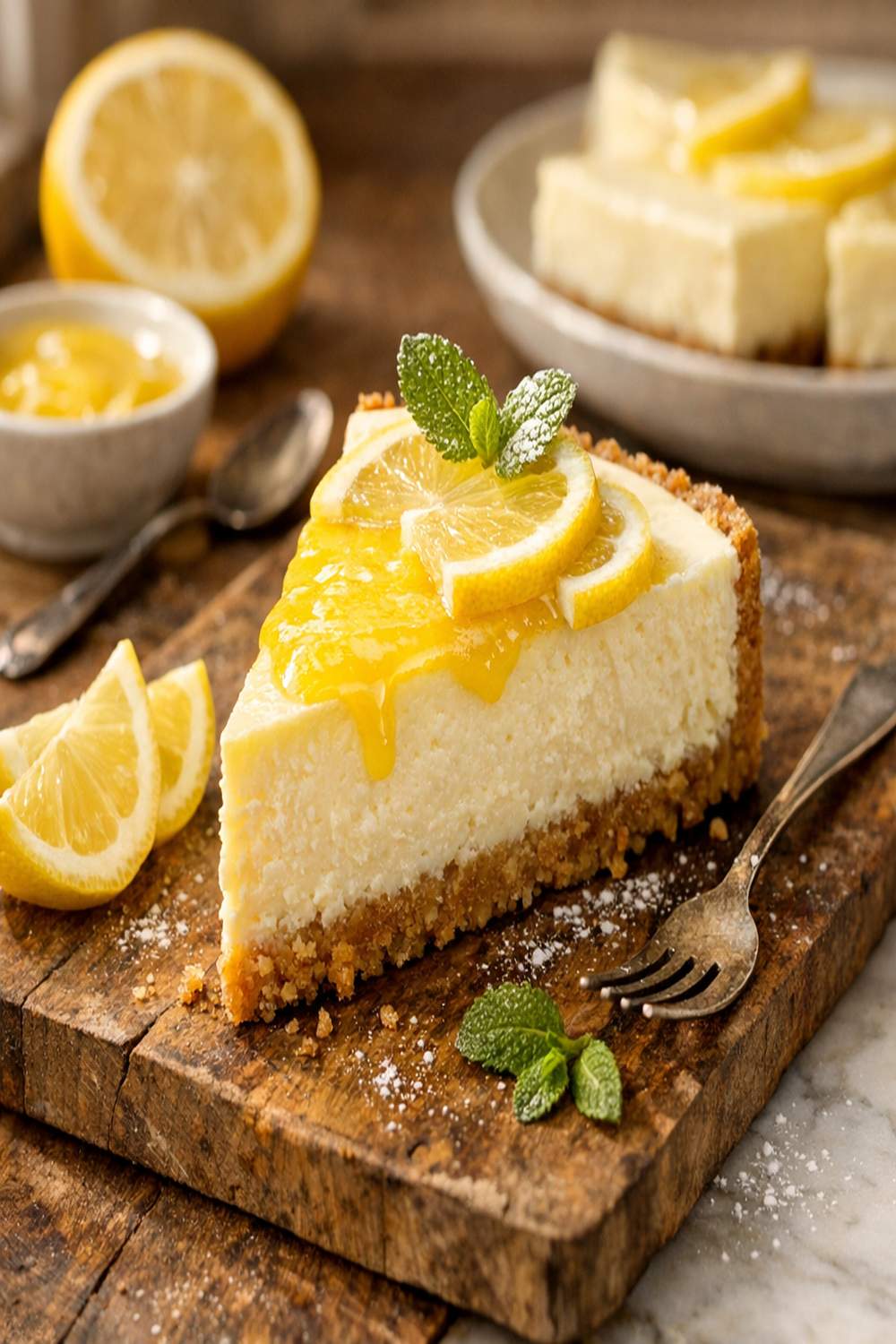
This cheesecake with lemon recipe brings together the American tradition of indulgent, creamy desserts with the Mediterranean love of bright citrus and simplicity. When I first visited a lemon grove in Greece years ago, I tasted something that changed how I think about desserts—that pure, sun-ripened tartness paired with richness. That’s what lives in this recipe. It’s the comfort of my mother’s kitchen meeting the simplicity of a Tuscan table, and honestly, that’s where the best food memories are made. If you’re craving something that feels both like a warm hug and a refreshing escape, this is your dessert. I’ve paired this with other comforting treats like our baked berry cheesecake for inspiration, but this lemon version stands entirely on its own.
Cheesecake With Lemon Recipe: Where American Richness Meets Mediterranean Brightness
I remember the exact moment this recipe came to life. I was working with a client who had just returned from Italy, raving about the limoncello and fresh lemon desserts she’d discovered. At the same time, my own kitchen was filled with memories of my mother’s dense, creamy cheesecakes—the kind that required a fork and a moment of gratitude. I thought: what if we could have both? What if we could take that luxurious American cream cheese base and infuse it with the zesty awakening of Mediterranean lemons?
That’s exactly what happened one Tuesday afternoon. The result wasn’t just a dessert; it was a bridge between two worlds. The graham cracker crust grounds us in American tradition, while the bright lemon juice and fragrant zest transport us straight to sun-drenched coastlines. This isn’t fusion for fusion’s sake—it’s about honoring what makes each tradition special and letting them elevate each other.
The Two Traditions Behind This Dish
Understanding where this cheesecake comes from helps us appreciate every bite. The American cheesecake tradition emerged in the 1870s when Philadelphia cream cheese became widely available, creating a dessert that celebrated abundance and pure indulgence. It’s thick, it’s rich, and it asks for nothing but your full attention. The Mediterranean approach to desserts, particularly in Italy and Greece, has always been lighter and more ingredient-focused—letting single flavors shine without apology.
- American tradition contributes: The dense, creamy texture from full-fat cream cheese and the sweet graham cracker foundation that grounds the whole experience
- Mediterranean tradition contributes: The bright citrus notes that cut through richness, the use of fresh zest rather than extracts, and the philosophy that simple ingredients create the most memorable moments
Why This Fusion Works
From a nutritional and flavor science perspective, this fusion makes perfect sense. Lemon is actually one of the best flavor partners for rich, creamy foods because the acid cuts through fat and cleanses the palate. When you eat a spoonful of creamy cheesecake followed by that lemon brightness, your taste buds feel alive. It’s not one flavor fighting another—they’re dancing together.
Culturally, this works too. Both traditions value quality ingredients and patience. American cheesecake asks you to wait overnight for the perfect texture. Mediterranean cooking asks you to use only the best lemons, picked at peak ripeness. When we combine that respect for ingredients with these complementary flavor profiles, we create something that feels both familiar and entirely new.
The Ingredients: A Tale of Two Traditions
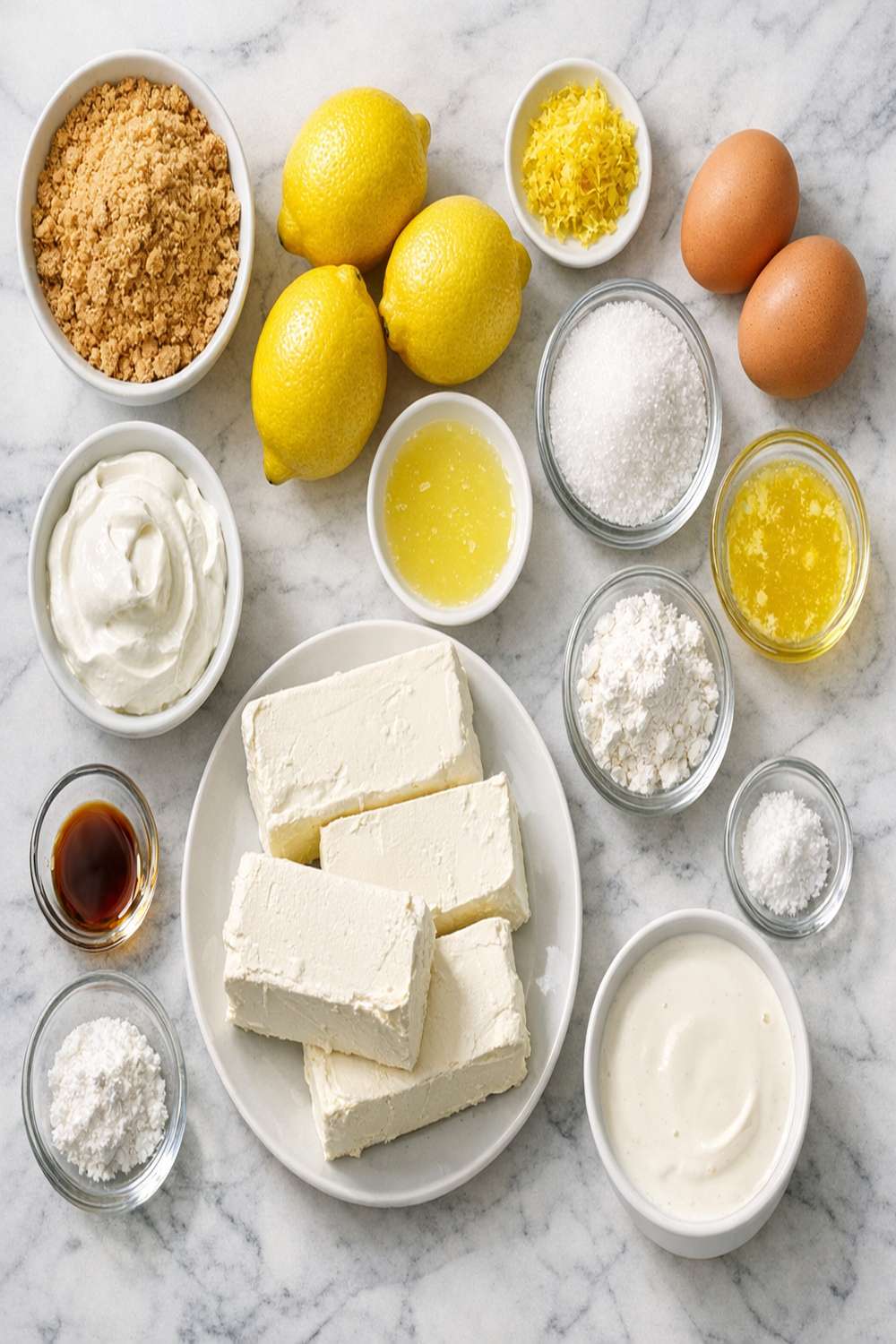
Every ingredient in this cheesecake tells a story about where it comes from and what role it plays in bringing these two culinary worlds together. I’ve chosen each one carefully, thinking about both tradition and nutrition.
For the Crust
- 2¼ cups graham cracker crumbs (the foundation of any proper American cheesecake, providing structure and sweet nostalgia)
- ½ cup butter (melted and cooled slightly, which binds the crust without making it greasy)
For the Filling
- ¾ cup heavy whipping cream (35% fat content minimum, which whips to perfect peaks)
- 1 teaspoon vanilla extract (the bridge between traditions, adding warmth)
- Pinch of sea salt (brings all flavors into focus, a Mediterranean touch)
- 2 tablespoons fresh lemon zest (reserved for topping, adding visual beauty and extra flavor)
- 1½ cups powdered sugar (not granulated, which would create a grainy texture)
- 24 ounces cream cheese (full-fat, at room temperature—this is non-negotiable for smoothness)
- 3 tablespoons fresh lemon juice (squeezed that same day—bottled just doesn’t compare)
- Zest from 2 lemons (where the true lemon flavor lives, bright and essential)
Yield: Makes 12 generous servings
How to Make This Fusion Cheesecake With Lemon Recipe
This recipe is a respectful creative journey through two culinary traditions. Each step honors what came before while creating something new. Take your time with this—cheesecake rewards patience with perfection.
Step 1: Prepare Your Pan Like an American Baker Would
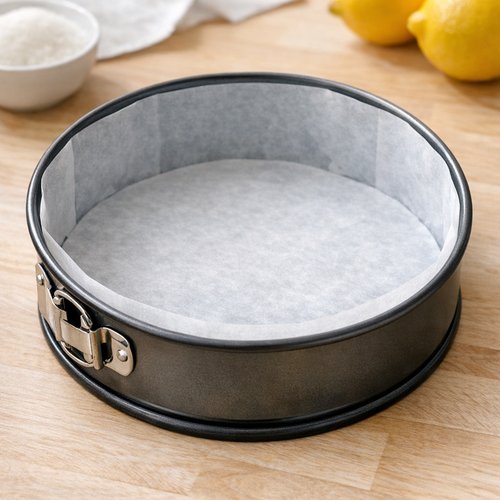
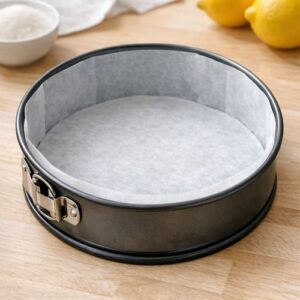
Line a 9-inch springform pan with parchment paper. I do this even though it’s optional because it makes your life easier when you’re ready to serve, and isn’t that what cooking is about? Giving yourself grace? Your pan is now ready to cradle something beautiful.
Step 2: Build the Crust Foundation
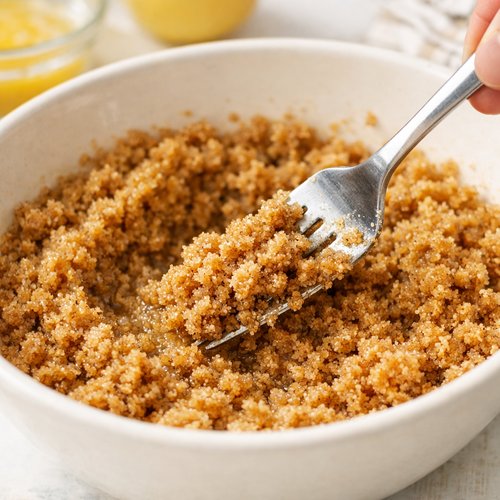
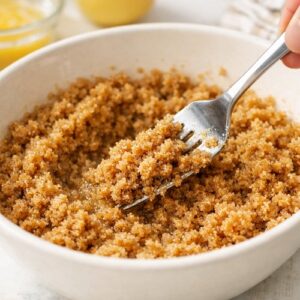
In a medium bowl, combine your graham cracker crumbs with the melted butter. Use a fork to stir everything together until it resembles wet sand. This is the American part of our tradition—a simple, buttery base that says “welcome home.” Press this mixture firmly into the bottom of your prepared pan, then press about ½ inch up the sides. Use the bottom of a measuring cup to really compress it. You want a sturdy foundation that won’t crumble. This honors the American cheesecake tradition perfectly.
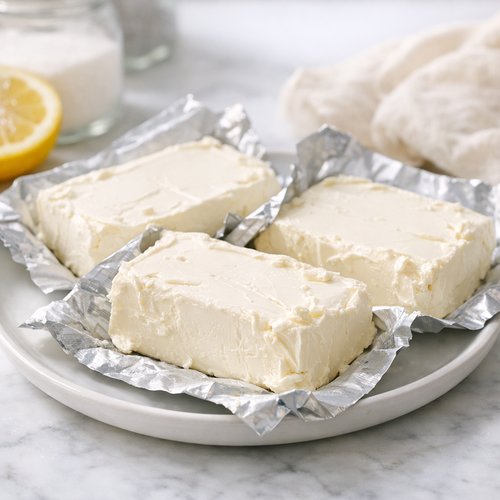
Step 3: Bring Cream Cheese to Room Temperature
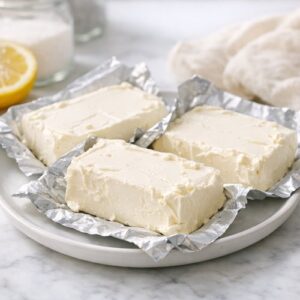
This step matters more than you might think. Room temperature cream cheese beats smoothly without becoming grainy or lumpy. If you forgot to take it out earlier, cut it into chunks and let it sit for 15 minutes. I learned this from a pastry chef in Philadelphia, and it changed everything about my cheesecake game.
Step 4: Create the Creamy Base
Using an electric mixer on medium speed, beat your room temperature cream cheese for about 2 minutes until it’s completely smooth and creamy. Scrape down the sides with a spatula halfway through. This American technique creates that signature dense texture we love.
Step 5: Add the Sweetness and Brightness
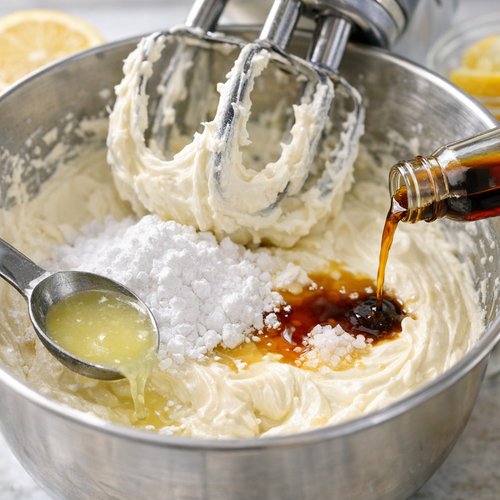
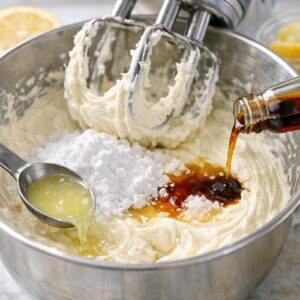
Reduce your mixer speed to low and add the powdered sugar, fresh lemon juice, vanilla extract, and sea salt. Beat until everything is well combined and smooth. This is where the two traditions meet beautifully—we’re taking that rich American base and infusing it with Mediterranean brightness. Taste a small spoonful at this point. If you want it more lemony, add the zest from one additional lemon. If you want it sweeter, add 2 more tablespoons of powdered sugar.
Step 6: Whip the Cream (The Lightness Moment)
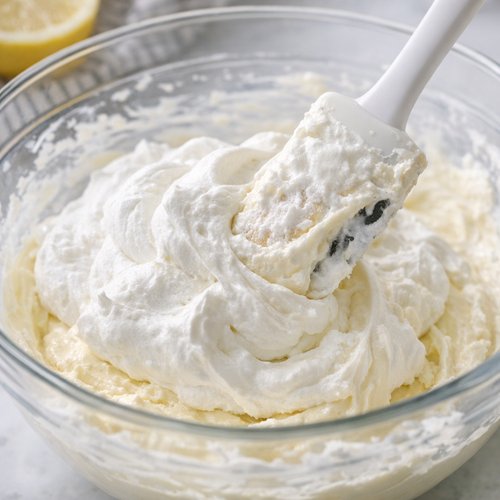
In a separate medium bowl, pour your heavy cream and beat it on high speed with clean beaters until stiff peaks form. This takes about 2-3 minutes. The cream should look like clouds—thick, billowing, and full of air. This step is pure technique that both traditions respect, just approached differently.
Step 7: The Fusion Fold
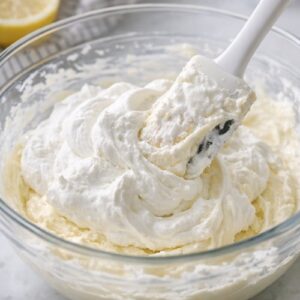
Here’s where magic happens. Add your whipped cream to the cream cheese mixture. Using a rubber spatula, gently fold it in with a J-motion—down the side, across the bottom, up the other side, and over the top. Do this slowly and patiently. You’re folding together richness with lightness, American tradition with Mediterranean elegance. This is what makes the final texture so special—light yet creamy, indulgent yet not heavy.
Step 8: Pour and Chill
Pour your filling into the graham cracker crust and smooth the top with a spatula. Cover the pan loosely with plastic wrap and refrigerate for at least 6 hours, though overnight is genuinely better. This patience is part of the tradition—you’re not rushing this. You’re honoring it. As a registered dietitian, I appreciate that this resting time allows the flavors to meld and mature, creating better taste and texture.
Expert’s Nutritional Tip
The lemon juice in this cheesecake isn’t just for flavor—it’s actually enhancing your ability to absorb the calcium in the cream cheese. That’s real synergy happening. The citric acid increases calcium bioavailability, meaning your body can use more of the mineral. This is one of those beautiful moments where traditional flavor pairing and nutritional science align perfectly. Both traditions understood this intuitively long before we had the science to explain it.
How to Customize the Fusion Ratio
One of the joys of understanding where your food comes from is knowing exactly how to adjust it to your preference. If you want to lean more into one tradition, here’s how:
- More American richness: Use 2 cups of powdered sugar instead of 1½, reduce the lemon juice to 2 tablespoons, and use only 1 lemon’s worth of zest. You’ll have a more traditional, sweeter cheesecake that leans into cream cheese luxury.
- More Mediterranean brightness: Use the juice of 2 lemons instead of one, zest 3 lemons instead of 2, and reduce the powdered sugar to 1 cup. You’ll create something that tastes almost like a lemon tart—more refreshing and less sweet.
- Balanced middle ground: Follow the original recipe exactly as written. This is where both traditions shine equally.
Make-Ahead Guide: Plan Your Perfect Dessert
One of my favorite things about this cheesecake is how beautifully it fits into real life. Here’s how to make it work with your schedule:
- Three days ahead: Make the crust and press it into the pan. Wrap tightly and refrigerate. The crust actually improves as it sets.
- One day ahead: Make the complete cheesecake through step 8. Cover and refrigerate. This is actually ideal—the flavors become more integrated and the texture becomes even creamier.
- Morning of serving: Remove from refrigerator 15 minutes before serving so it’s not ice-cold, which mutes the lemon flavor. Run a thin knife around the edges before releasing the springform.
- Storage after serving: Cover leftover cheesecake and refrigerate for up to 5 days. Each day, the lemon flavor actually becomes more pronounced.
Common Mistakes to Avoid
I’ve made these mistakes so you don’t have to. Here’s what I’ve learned from years in the kitchen and working with clients:
- Using cold cream cheese: I cannot stress this enough. Cold cream cheese will not blend smoothly and will create lumps in your filling. Room temperature is non-negotiable.
- Over-beating the filling: Once you add the whipped cream, stop mixing. Overmixing deflates the air bubbles and creates a dense, heavy cheesecake instead of the light, creamy texture we’re after.
- Using bottled lemon juice: I understand the convenience factor, but bottled juice has preservatives that change the flavor profile. Fresh squeezed takes 2 minutes and makes a world of difference.
- Not zesting the lemons first: Always zest before you juice. Once a lemon is cut, it’s harder to zest effectively. I learned this the hard way one Sunday afternoon.
Seasonal Variations: Make It Year-Round
This recipe is inherently a spring dessert because lemon is at its peak, but you can absolutely adapt it for other seasons:
- Summer version: Add 1 tablespoon of fresh basil (finely minced) to the filling. The herbaceous note complements lemon beautifully and tastes incredibly Mediterranean.
- Fall version: Reduce lemon juice to 2 tablespoons and add ¼ teaspoon of cardamom. Layer in a drizzle of honey on top before serving.
- Winter version: Keep the lemon prominent but add ½ teaspoon of white pepper and a pinch of nutmeg. Serve with a drizzle of warm honey.
- Spring version (classic): This is the original. Fresh, bright, and perfect as the weather warms.
What to Serve With Cheesecake With Lemon Recipe
The beauty of this cheesecake is that it stands beautifully on its own, but if you want to extend the experience, here are some perfect pairings from both traditions:
- Fresh whipped cream: Sweetened with just a touch of powdered sugar, this is the American way to serve cheesecake. It adds lightness and elegance.
- Candied lemon slices: A Mediterranean touch—thinly slice lemons, simmer them in sugar and water until translucent, and serve on the side for color and extra brightness.
- Fresh berries: Raspberries and blueberries are magical alongside lemon cheesecake. The tartness of the berries echoes the lemon.
- Shortbread cookies: A simple, buttery cookie provides textural contrast and pairs beautifully with rich cheesecake.
- Honey drizzle: A touch of warm honey over a slice adds richness without overpowering the lemon.
If you’re planning a full dinner before dessert, consider pairing this cheesecake with something light. I love serving it after meals like baked breaded tilapia because the brightness of the lemon echoes through the whole experience.
Can I Store Cheesecake With Lemon Recipe?
Yes, and it stores beautifully. Here’s what you need to know:
Refrigerator storage: Cover your cheesecake tightly with plastic wrap or transfer it to an airtight container. It will keep for up to 5 days in the refrigerator. The flavor actually deepens over time.
Freezer storage: You can freeze the entire cheesecake, but I recommend slicing it first. Wrap individual slices tightly in plastic wrap, then place them in a freezer bag with the air removed. They’ll keep for up to 3 months. Thaw in the refrigerator for about 4 hours before serving.
Don’t freeze the whipped cream topping: Add fresh whipped cream only after thawing.
Nutrition Information
Based on USDA database standards for one slice (1/12th of the cheesecake):
- Calories: 385
- Total fat: 28g
- Saturated fat: 17g
- Carbohydrates: 32g
- Fiber: 0.5g
- Protein: 6g
- Calcium: 95mg (boosted by the lemon’s citric acid making it more bioavailable)
The lemon juice contributes negligible calories but significant nutritional value through vitamin C and the ability to enhance mineral absorption. As a registered dietitian, I appreciate that while this is an indulgent dessert, the lemon component actually adds genuine nutritional benefit. Both the American cream cheese tradition and Mediterranean lemon wisdom are working to nourish you here.

Cheesecake With Lemon Recipe
Ingredients
For the Crust
- 2¼ cup graham cracker crumbs the foundation of any proper American cheesecake, providing structure and sweet nostalgia
- ½ cup butter melted and cooled slightly, which binds the crust without making it greasy
For the Filling
- ¾ cup heavy whipping cream 35% fat content minimum, which whips to perfect peaks
- 1 teaspoon vanilla extract the bridge between traditions, adding warmth
- Pinch of sea salt brings all flavors into focus, a Mediterranean touch
- 2 tablespoon fresh lemon zest reserved for topping, adding visual beauty and extra flavor
- 1½ cup powdered sugar not granulated, which would create a grainy texture
- 24 ounce cream cheese (full-fat, at room temperature
- 3 tablespoon fresh lemon juice (squeezed that same day
- Zest from 2 lemons where the true lemon flavor lives, bright and essential
Instructions
Step 1: Prepare Your Pan Like an American Baker Would
- Line a 9-inch springform pan with parchment paper. I do this even though it's optional because it makes your life easier when you're ready to serve, and isn't that what cooking is about? Giving yourself grace? Your pan is now ready to cradle something beautiful.
Step 2: Build the Crust Foundation
- In a medium bowl, combine your graham cracker crumbs with the melted butter. Use a fork to stir everything together until it resembles wet sand. This is the American part of our tradition—a simple, buttery base that says "welcome home." Press this mixture firmly into the bottom of your prepared pan, then press about ½ inch up the sides. Use the bottom of a measuring cup to really compress it. You want a sturdy foundation that won't crumble. This honors the American cheesecake tradition perfectly.
Step 3: Bring Cream Cheese to Room Temperature
- This step matters more than you might think. Room temperature cream cheese beats smoothly without becoming grainy or lumpy. If you forgot to take it out earlier, cut it into chunks and let it sit for 15 minutes. I learned this from a pastry chef in Philadelphia, and it changed everything about my cheesecake game.
Step 4: Create the Creamy Base
- Using an electric mixer on medium speed, beat your room temperature cream cheese for about 2 minutes until it's completely smooth and creamy. Scrape down the sides with a spatula halfway through. This American technique creates that signature dense texture we love.
Step 5: Add the Sweetness and Brightness
- Reduce your mixer speed to low and add the powdered sugar, fresh lemon juice, vanilla extract, and sea salt. Beat until everything is well combined and smooth. This is where the two traditions meet beautifully—we're taking that rich American base and infusing it with Mediterranean brightness. Taste a small spoonful at this point. If you want it more lemony, add the zest from one additional lemon. If you want it sweeter, add 2 more tablespoons of powdered sugar.
Step 6: Whip the Cream (The Lightness Moment)
- In a separate medium bowl, pour your heavy cream and beat it on high speed with clean beaters until stiff peaks form. This takes about 2-3 minutes. The cream should look like clouds—thick, billowing, and full of air. This step is pure technique that both traditions respect, just approached differently.
Step 7: The Fusion Fold
- Here's where magic happens. Add your whipped cream to the cream cheese mixture. Using a rubber spatula, gently fold it in with a J-motion—down the side, across the bottom, up the other side, and over the top. Do this slowly and patiently. You're folding together richness with lightness, American tradition with Mediterranean elegance. This is what makes the final texture so special—light yet creamy, indulgent yet not heavy.
Step 8: Pour and Chill
- Pour your filling into the graham cracker crust and smooth the top with a spatula. Cover the pan loosely with plastic wrap and refrigerate for at least 6 hours, though overnight is genuinely better. This patience is part of the tradition—you're not rushing this. You're honoring it. As a registered dietitian, I appreciate that this resting time allows the flavors to meld and mature, creating better taste and texture.
Notes
FAQs
Can I make this without the electric mixer?
Technically yes, but it will be much more work. You can use a whisk, but you’ll need serious arm strength and patience. The mixer takes what would be 20 minutes of vigorous whisking down to 5 minutes. If you don’t have a mixer, I’d suggest hand-beating the cream cheese and sugar very thoroughly, then folding in the whipped cream extremely gently. This honors both traditions—hard work and respect for your ingredients.
What if I don’t have a springform pan?
You can use a 9-inch round cake pan, but you’ll need to serve the cheesecake directly from the pan using a spatula rather than slicing individual pieces. Alternatively, line a regular pan very thoroughly with parchment paper overhang and use that to lift the entire cheesecake out before slicing. The springform makes this process seamless, but it’s not absolutely required.
Can I use Meyer lemons instead of regular lemons?
Absolutely, and they’re wonderful. Meyer lemons are sweeter and more floral than Eureka or Lisbon lemons. If you use them, you might reduce the powdered sugar by 2 tablespoons since they’re naturally sweeter. I love the extra complexity Meyer lemons bring to this dessert—it feels very Mediterranean.
How do I know when the cream cheese is at room temperature?
Press your finger into the cream cheese. It should give slightly without being soft or greasy. If it’s still cold, it will be resistant to pressure. If it’s too warm, it will be almost mushy. That perfect middle point is what you’re after. This usually takes about 30-45 minutes out of the refrigerator.
Can I reduce the sugar for a less sweet version?
Yes, and I encourage it. Some of my clients prefer less sugar, particularly if they’re serving this after a meal. Start by reducing the powdered sugar to 1 cup and see how you like it. You can always add more, but you can’t take it out. The lemon flavor will actually shine more when it’s less competing with sweetness.
Other Great American-Mediterranean Fusion Desserts
Once you fall in love with this approach to desserts, you’ll want to explore other combinations of these two wonderful traditions:
- Olive oil cake with whipped cream: The earthy richness of quality olive oil meets American indulgence in the simplest, most elegant way.
- Panna cotta with berry compote: The Italian custard tradition paired with the American love of fresh fruit.
- Lemon ricotta pancakes with maple syrup: Mediterranean simplicity meeting American breakfast tradition.
- Tiramisu with a hint of vanilla bean: The Italian classic elevated with American-style quality vanilla.
The Story Behind This Recipe
I think about that lemon grove in Greece every time I make this cheesecake. I remember standing between the trees, tasting a lemon fresh from the branch, and feeling like I’d never really tasted one before. Then I came home to my mother’s kitchen, where she was making her famous cheesecake—dense, creamy, perfect in its own way. It took years before I realized these two memories didn’t have to stay separate.
Good food is about honoring where things come from while being brave enough to create something new. That’s what this recipe is. It’s not trying to be something it’s not. It’s a cheesecake that knows exactly who it is—American comfort with Mediterranean brightness, rich yet refreshing, traditional yet surprising.
Every time you make this, you’re participating in a conversation between cultures. You’re saying that good ideas can come from anywhere, and that sometimes the best dishes are born when we listen to each other’s traditions and find where they complement rather than compete.
More Fusion Recipes You’ll Love
- Baked Lemon Donut Recipe – another way to bring bright citrus into your baking that feels both familiar and fresh
- Baked Berry Cheesecake Recipe – the classic cousin of this recipe, showing how fruit and cheesecake are eternal partners
- my oven-baked chicken – if you love how lemon and fresh flavors brighten rich ingredients, this savory application will delight you
Food is the language we all speak, no matter where we come from. This cheesecake is proof that when we’re willing to listen to each other’s culinary stories, we create something more delicious than we could have imagined alone. Make this for someone you love. Share it at your table. Create your own food memories, just like my mother taught me.
Happy Cooking!
META DESCRIPTION: Discover the brightest Cheesecake With Lemon Recipe that fuses American cream cheese tradition with Mediterranean citrus brightness—creamy, tangy, and perfectly balanced.- Cheesecake Cupcakes Recipe
- Butter Tart Recipe
- Blueberry Pie With Frozen Berries Recipe
- Brownie Ice Cream Sundae Recipe