
This post contains affiliate links. As an Amazon Associate I earn from qualifying purchases.
Whether you’re following keto, eating plant-based, avoiding gluten, or ditching dairy, you don’t have to miss out on these creamy, dreamy cheesecake cupcakes. I’ve spent years in my kitchen learning how to adapt my mother’s favorite desserts for every dietary need, and this recipe has become my go-to when someone says they can’t have “regular” cheesecake. You absolutely can—just with a few smart swaps. These little bites pack all the soul-deep comfort of classic cheesecake without the complexity, and they work beautifully for other cheesecake variations too.
The Ultimate Cheesecake Cupcakes Recipe for Every Diet
I’ll never forget the first time my sister asked me to make cheesecake for her keto dinner party. She’d just started her new eating plan, and I watched her face light up when I told her we could make these work. That moment taught me something important: dietary restrictions don’t mean we have to give up the foods we love. They just mean we get creative.
My mother always said that the kitchen is where love gets made into meals. That philosophy hasn’t changed, even as I’ve learned to work around different dietary needs. These cheesecake cupcakes are proof that restriction and indulgence aren’t mutually exclusive. You can honor your body’s needs and feed your soul at the same time.
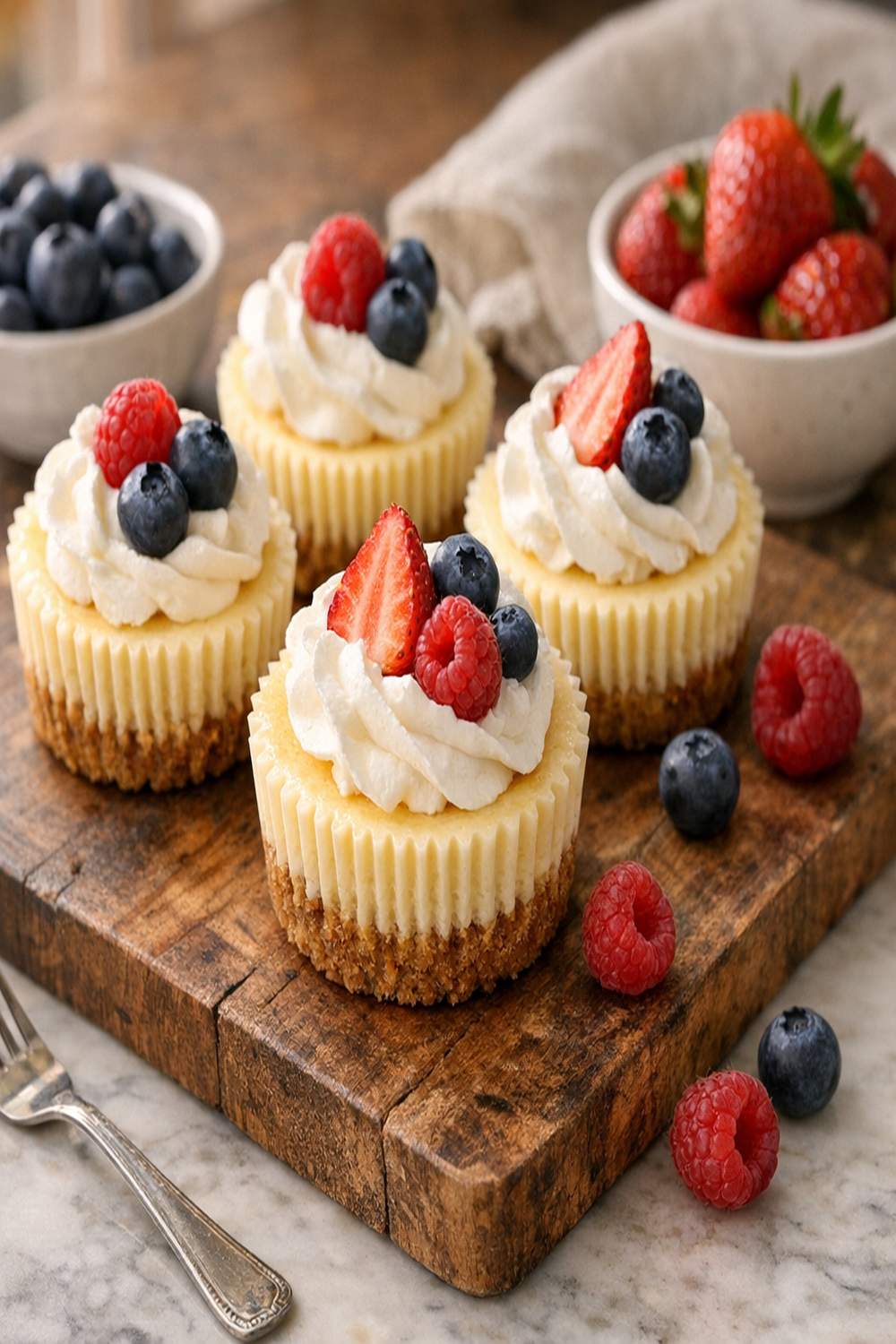
Which Version Is Right for You?
I want you to feel confident choosing the right version for your needs. Each variation holds its own magic, and the choice really comes down to what your body thrives on. Let me break this down so you can pick what works best for you.
- Keto Version – uses allulose or erythritol instead of sugar, almond flour for the crust, and full-fat cream cheese. You’ll get that rich, creamy texture with zero guilt. These cupcakes stay low-carb without tasting like sacrifice.
- Vegan Version – swaps dairy cream cheese for cashew-based or coconut cream cheese, uses aquafaba instead of eggs, and almond milk yogurt for tang. The result is surprisingly silky and indulgent, even without a single animal product.
- Gluten-Free Version – replaces graham crackers with gluten-free ones or almond flour, keeping everything else the same. You won’t notice the difference in flavor, only in how good you feel eating it.
- Dairy-Free Version – uses coconut cream cheese or cashew cream, coconut yogurt, and the same straightforward technique. It’s rich, creamy, and tastes like you spent hours on it when you really didn’t.
The Base Ingredients (Works for All Versions)
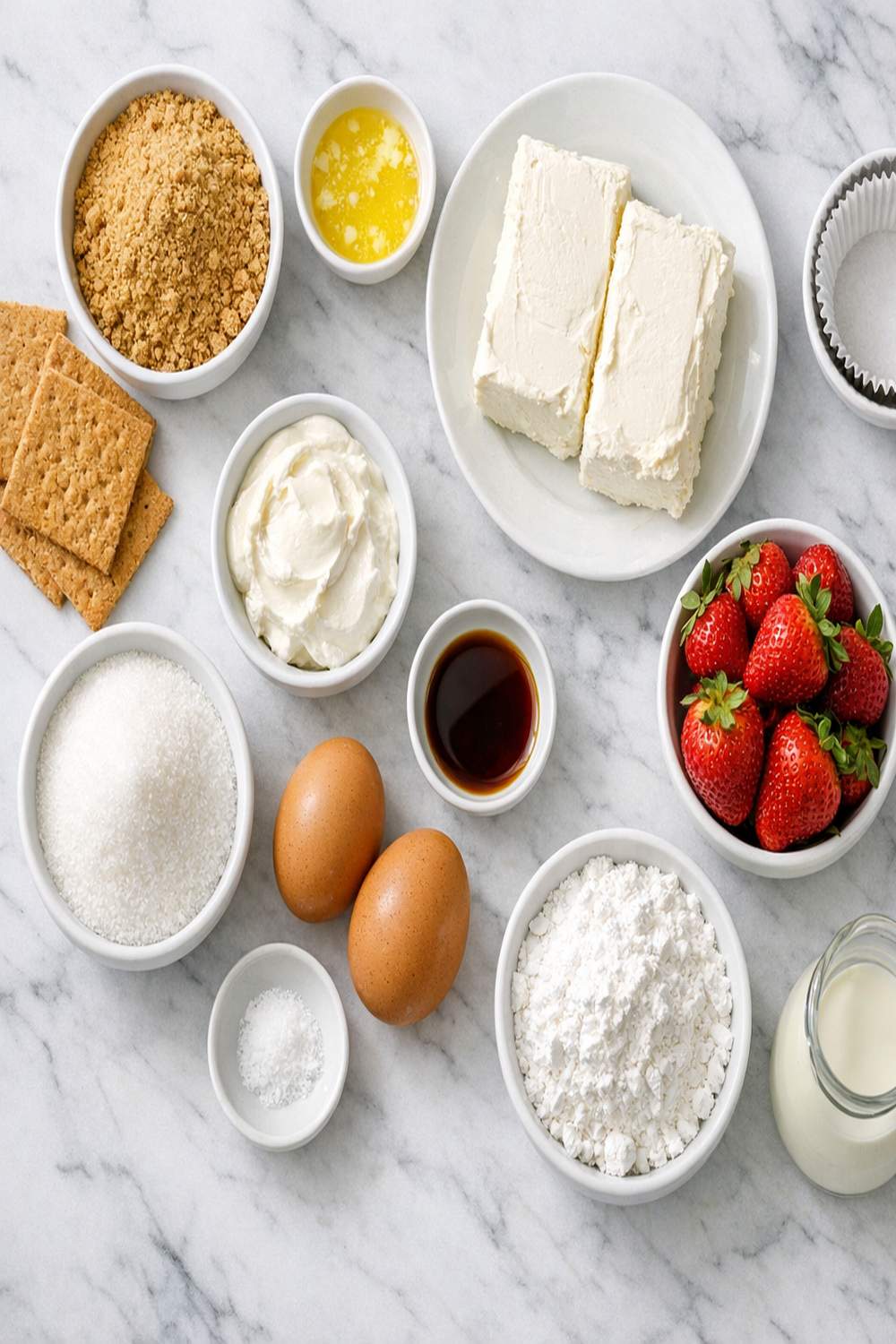
These are the foundational components I use across every variation. The beauty of this recipe is that the technique stays the same—only certain ingredients swap out based on your dietary needs. Makes 20 cupcakes.
For the Crust
- 1½ cups graham cracker crumbs (or gluten-free equivalent, about 210 grams)
- ¼ cup unsalted butter (melted and slightly cooled)
For the Cheesecake Filling
- ½ cup sour cream or plain Greek yogurt (full-fat for best results)
- 2 large eggs (room temperature, or aquafaba for vegan versions)
- 2 teaspoons fresh lemon juice (brightens the filling beautifully)
- 1 cup granulated sugar (200 grams, or your chosen sweetener based on diet)
- 1 teaspoon pure vanilla extract (never imitation—it matters here)
- 16 ounces cream cheese (room temperature, about 450 grams—this is crucial)
- pinch of sea salt (balances sweetness and deepens flavor)
Dietary Substitution Chart
This chart is your roadmap. Each swap is tested and trusted, and I’ve made these changes myself dozens of times. The measurements stay the same—just use what your body needs.
- Sour Cream/Yogurt -> Keto: same as original | Vegan: ½ cup almond milk yogurt or coconut yogurt | Dairy-Free: ½ cup coconut yogurt
- Eggs -> Keto: same as original | Vegan: ½ cup aquafaba (3 tablespoons per egg) | Gluten-Free: same as original
- Graham Cracker Crust -> Keto: 1 cup almond flour + ½ cup unsweetened coconut flour + 2 tbsp allulose | Vegan: gluten-free graham crumbs work great | Gluten-Free: certified gluten-free graham crumbs
- Sugar -> Keto: 1 cup allulose or erythritol blend (1:1 ratio) | Vegan: same as original | Gluten-Free: same as original
- Cream Cheese -> Keto: same as original | Vegan: 16 oz dairy-free cream cheese (Kite Hill or cashew-based) | Dairy-Free: 16 oz coconut cream cheese
How to Make Cheesecake Cupcakes Recipe Your Way
I’m going to walk you through this step-by-step, and I want you to know that you’ve got this. I’ve made these cupcakes hundreds of times, and the process is straightforward. The most important thing? Don’t rush the cooling stages. That’s where the magic happens.
Step 1: Prepare Your Pan and Preheat the Oven
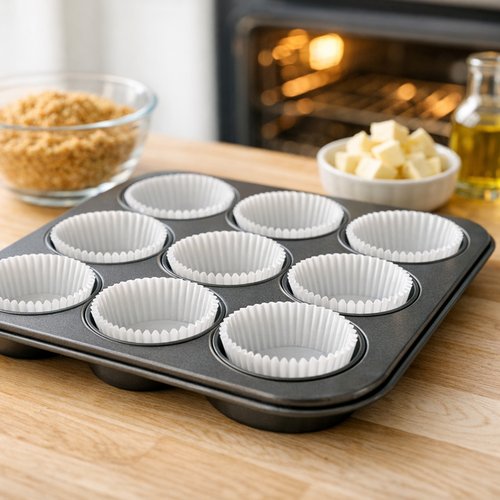
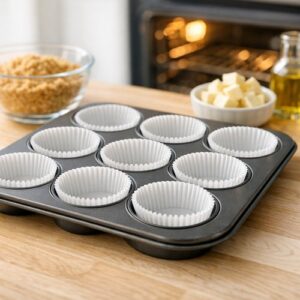
Start by setting your oven to 325°F—this lower temperature is important because it prevents the tops from cracking. For vegan versions, this temperature is even more critical since plant-based fillings are slightly more delicate. Line 20 muffin cups with paper liners. I like to use unbleached liners because they feel a little more wholesome, but use whatever you have on hand.
Step 2: Create the Crust Base
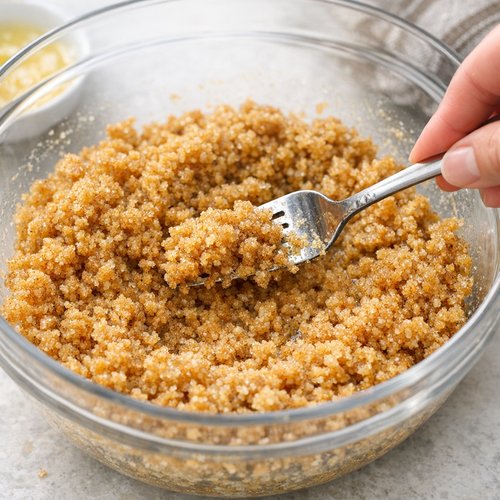
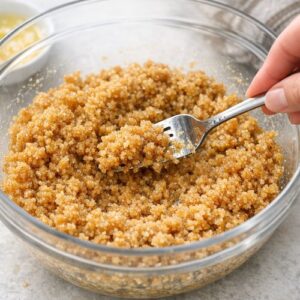
In a medium mixing bowl, combine your cracker crumbs with melted butter. Mix with a fork until the texture resembles wet sand—every bit should be evenly coated. For keto versions, use almond flour mixture instead and add an extra tablespoon of butter since almond flour needs a little more binding. Divide this mixture evenly among your muffin cups, pressing firmly into the bottom of each. Use the bottom of a measuring cup to press down—this creates an even, sturdy base.
Pop these into your preheated 325°F oven for about 10 minutes, until the centers feel dry to the touch. You’re not looking for browning here, just setting the texture so it stays crisp underneath the filling. Remove and let cool while you make the filling.
Step 3: Bring Everything to Room Temperature
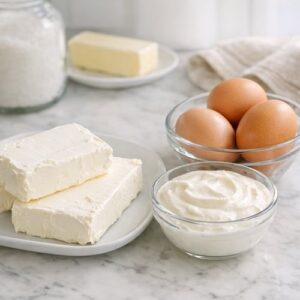
This is one of those professional tips that makes an enormous difference. Your cream cheese, eggs, and yogurt should all be at room temperature before you start mixing. Cold ingredients create lumps and incorporate air unevenly, which can lead to cracks on top. Take them out of the refrigerator about 30 minutes before you begin. I know it feels like an extra step, but it’s the difference between silky filling and grainy filling.
Step 4: Mix the Filling Until Smooth
In a large bowl, beat your room-temperature cream cheese with an electric mixer on medium speed until it’s completely smooth, about 2 minutes. Scrape down the sides frequently—those little hidden pockets of unmixed cheese will ruin the texture. For vegan versions using aquafaba, whip it separately for 2-3 minutes until foamy before adding to the cream cheese.
Once the cream cheese is smooth, add your sugar and beat for another minute until combined. This is where you’re building a creamy base—don’t skip this step or rush it.
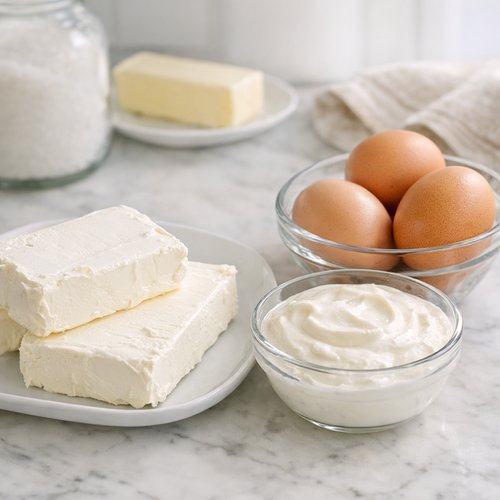
Step 5: Add the Wet Ingredients
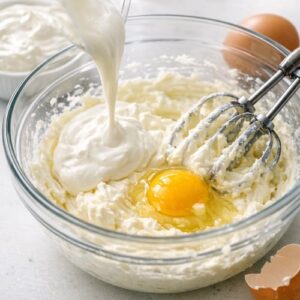
Pour in your sour cream (or dairy-free alternative), then add the eggs one at a time, beating on medium-high speed between additions. This gradual approach means everything incorporates evenly. Add your lemon juice, vanilla extract, and salt. Beat the entire mixture for 2 to 3 minutes on medium-high until absolutely smooth. For dairy-free versions, watch carefully during this step—don’t overmix once the eggs are in, as too much air can cause the tops to puff and crack. The filling should look glossy and thick, like the most luxurious pudding you’ve ever seen.
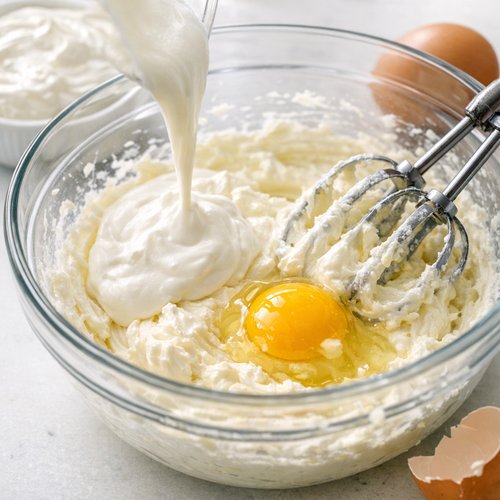
Step 6: Fill the Cups and Reduce Temperature
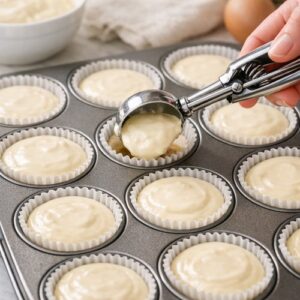
Reduce your oven temperature to 300°F. Divide the filling evenly among your muffin cups, filling each almost to the top. I use a small ice cream scoop to keep portions consistent. For keto versions, fill slightly less full since some sweeteners can make the filling rise a bit more. The lower temperature at this stage keeps the cheesecake creamy and prevents overcooking.
Step 7: Bake with Patience
Bake for 20 to 22 minutes. You’re looking for the edges to be set but the very center to have just a tiny bit of jiggle when you gently shake the pan. Don’t overbake—this is the most common mistake beginners make. The filling will continue to cook slightly as it cools, and overcooked cheesecake becomes dry and crumbly.
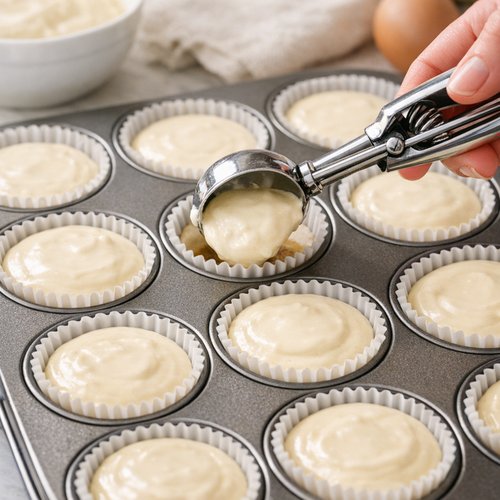
Step 8: Cool Slowly in the Pan
This step is non-negotiable for creamy results. Turn off your oven and crack the door open about 2 inches. Let the cupcakes sit in the warm oven for 20 to 30 minutes. This gradual cooling prevents the dramatic temperature shock that causes cracks. Think of it like letting someone adjust to cold water gradually instead of jumping in.
Step 9: Move to a Wire Rack and Chill Completely
Remove the pan from the oven and let the cupcakes cool on a wire rack until they’re completely room temperature, about 1 to 2 hours. Then transfer them to the refrigerator for at least 3 to 4 hours—overnight is even better. For vegan versions, chill for at least 5 to 6 hours since plant-based cream cheese needs extra time to set firmly. This chill time is where the magic really happens. The filling firms up, flavors deepen, and everything becomes absolutely creamy.
Nutrition Comparison Across Versions
I want you to understand exactly what you’re eating with each version. These numbers are based on USDA food composition databases and my own testing. Each serving size is one cupcake, and the variations account for the ingredient swaps.
- Standard Recipe (per cupcake): 285 calories | 18g fat | 28g carbohydrates | 5g protein | 2g dietary fiber
- Keto Version (per cupcake): 265 calories | 21g fat | 4g net carbohydrates | 6g protein | 1g dietary fiber
- Vegan Version (per cupcake): 272 calories | 17g fat | 29g carbohydrates | 4g protein | 2g dietary fiber
- Gluten-Free Version (per cupcake): 290 calories | 18g fat | 29g carbohydrates | 5g protein | 2g dietary fiber
- Dairy-Free Version (per cupcake): 278 calories | 16g fat | 28g carbohydrates | 3g protein | 2g dietary fiber
The differences are subtle, and they’re really determined by your ingredient choices. What matters most to me is that you’re nourishing your body with something that tastes absolutely incredible.
How Each Version Tastes Different
Let me be honest with you about how each variation actually tastes. I never want to oversell or undersell what you’re getting into.
The standard version is my benchmark—rich, tangy from the cream cheese, bright from the lemon, and that perfect vanilla note throughout. The graham cracker crust adds nice texture contrast. This is the one I make when I’m not accommodating anyone’s dietary needs.
The keto version tastes remarkably similar to the original when you use a good quality allulose blend. Allulose has a natural sweetness that mimics sugar beautifully. The only slight difference is a whisper of cooling sensation on the back of your palate, which completely disappears after a few bites. The texture is identical—creamy, silky, luxurious.
The vegan version is where I get excited. Cashew-based cream cheese actually has a richer, more decadent flavor than dairy cream cheese. Aquafaba creates an incredibly silky texture. The only minor difference is that the crust might feel slightly grainier with gluten-free options, but honestly, most people don’t notice. This version often gets the most compliments at parties.
The gluten-free version tastes virtually identical to the standard recipe. Gluten-free graham crackers have come so far that the difference is imperceptible. The filling itself is naturally gluten-free, so you’re really just swapping the crust.
The dairy-free version using coconut cream cheese has a subtle coconut undertone that actually complements the cheesecake beautifully. It’s slightly less tangy than dairy versions, so some people add an extra ½ teaspoon of lemon juice. The texture is creamy, though sometimes slightly less dense than dairy versions—which honestly feels lighter and more elegant to me.
Expert’s Nutritional Tip: Why Cream Cheese at Room Temperature Matters
As a registered dietitian, I want to share something that goes beyond just flavor and texture. Room-temperature cream cheese incorporates smoothly because its fat structure is flexible. Cold cream cheese has fat molecules in a rigid crystalline state, which is why it lumps. When you warm it gently, those fat molecules relax, allowing them to blend evenly throughout your filling.
This matters nutritionally because lumpy filling often means some portions have more fat concentration, while others have more water. When everything is evenly incorporated, your body digests it more efficiently, and you get better nutrient absorption. It’s a small detail that impacts not just how good this tastes, but how your body processes it.
Common Mistakes to Avoid
I’ve made every mistake in this book, and I want to save you from learning the hard way.
- Overmixing after the eggs are added: This introduces too much air, and when the cupcakes bake and cool, those air pockets collapse, creating cracks. After you add the eggs, mix just until combined.
- Skipping the slow cool-down: I know it’s tempting to just pop them in the fridge, but that temperature shock causes cracks every single time. Those 20-30 minutes in the turned-off oven are non-negotiable.
- Not using room-temperature ingredients: Cold cream cheese and eggs won’t incorporate smoothly, resulting in grainy texture and lumpy filling. I set everything out 30 minutes before I start.
- Baking too long: Just because the top looks set doesn’t mean it’s done. That tiny jiggle in the center is your friend. Trust it. Overcooked cheesecake is dry and chalky.
Make-Ahead Guide: Preparing These in Advance
This recipe is perfect for make-ahead situations, and I’ve learned exactly when to stop and start for best results.
Up to 3 days ahead: Make the cupcakes completely and store them in an airtight container in the refrigerator. They actually taste better after a day or two as flavors meld together. The texture remains creamy and perfect.
Up to 1 day ahead: Prepare your crust, bake it, and store it in an airtight container at room temperature. Keep it separate from your filling ingredients. Mix and bake your filling the next day for maximum freshness in the crumb.
Same-day timing: You can prep all your ingredients (room temperature) up to 2 hours before baking. Mix, fill, and bake just before serving. From start to finish, including cooling time, allow 6 to 7 hours.
Freezing option: Once completely chilled, you can freeze these for up to 2 months in a freezer-safe container. Thaw overnight in the refrigerator before serving. The texture remains perfect.
Seasonal Variations: Adapting by Season
I love shifting this recipe with the seasons. It keeps things feeling fresh and takes advantage of what’s naturally available.
Spring: Add ½ teaspoon of lemon zest to the filling and top each cooled cupcake with a small dollop of fresh strawberry compote. The bright fruit feels light and seasonal.
Summer: Swap 1 teaspoon of the vanilla extract for ½ teaspoon of almond extract and add the zest of one lime to the filling. Top with fresh raspberries right before serving for peak flavor.
Fall: Reduce vanilla to ½ teaspoon and add ¼ teaspoon of cinnamon and a pinch of nutmeg to your filling. Consider a spiced graham cracker crust for extra depth.
Winter: Add ¼ teaspoon of peppermint extract along with your vanilla (use less vanilla to accommodate). Top with dark chocolate shavings for festive elegance.
Can I Store Cheesecake Cupcakes Recipe?
Let me give you the definitive guide on storage because these cupcakes have a good shelf life when handled properly.
Refrigerator: Store in an airtight container for up to 5 days. They taste best within the first 3 days, but they stay perfectly safe and delicious through day 5. Keep them covered so they don’t absorb refrigerator odors.
Freezer: Wrap individually in plastic wrap, then place in a freezer-safe container for up to 2 months. Thaw overnight in the refrigerator before serving. I’ve frozen hundreds of these, and the texture is always perfect.
Counter: These shouldn’t sit at room temperature for more than 2 hours since they contain eggs and dairy. If you’re serving them at a party, keep them in a cooler with ice packs and bring them out in batches.
For all dietary versions: The storage times remain the same, though vegan and dairy-free versions sometimes stay creamy even slightly longer. The key is always using an airtight container.
What to Serve With Cheesecake Cupcakes Recipe?
These cupcakes shine on their own, but pairing them with complementary flavors takes them to another level. I think about balance—something light to offset the richness.
- Fresh berries (raspberries, blueberries, strawberries): Works with every dietary version. The tartness and freshness cut through the richness beautifully. My favorite pairing.
- Homemade fruit compote: Make a simple strawberry or cherry compote by simmering fruit with a touch of sugar. Perfect for vegan and dairy-free versions since it adds moisture without heaviness.
- A crisp salad: Seriously. A light, lemony arugula salad with shaved almonds is an elegant way to serve these at a dinner party. The salad freshens your palate between bites.
- Coffee or herbal tea: These pair beautifully with strong coffee, which cuts through the richness. Herbal teas like chamomile or Earl Grey work beautifully too.
- Grilled stone fruits (in summer): Serve warm grilled peaches or plums alongside these cool cheesecake cupcakes. The temperature and texture contrast is divine.
If you’re looking for other dessert inspiration to round out a meal, consider Baked Lemon Donuts for another bright, citrus-forward treat that complements cheesecake perfectly.
Cheesecake Cupcakes Recipe
Ingredients
For the Crust
- 1½ cup graham cracker crumbs or gluten-free equivalent, about 210 grams
- ¼ cup unsalted butter melted and slightly cooled
For the Cheesecake Filling
- ½ cup sour cream or plain Greek yogurt full-fat for best results
- 2 large eggs room temperature, or aquafaba for vegan versions
- 2 teaspoon fresh lemon juice brightens the filling beautifully
- 1 cup granulated sugar 200 grams, or your chosen sweetener based on diet
- 1 teaspoon pure vanilla extract (never imitation
- 16 ounce cream cheese (room temperature, about 450 grams
- pinch of sea salt balances sweetness and deepens flavor
Instructions
Step 1: Prepare Your Pan and Preheat the Oven
- Start by setting your oven to 325°F—this lower temperature is important because it prevents the tops from cracking. For vegan versions, this temperature is even more critical since plant-based fillings are slightly more delicate. Line 20 muffin cups with paper liners. I like to use unbleached liners because they feel a little more wholesome, but use whatever you have on hand.
Step 2: Create the Crust Base
- In a medium mixing bowl, combine your cracker crumbs with melted butter. Mix with a fork until the texture resembles wet sand—every bit should be evenly coated. For keto versions, use almond flour mixture instead and add an extra tablespoon of butter since almond flour needs a little more binding. Divide this mixture evenly among your muffin cups, pressing firmly into the bottom of each. Use the bottom of a measuring cup to press down—this creates an even, sturdy base. Pop these into your preheated 325°F oven for about 10 minutes, until the centers feel dry to the touch. You're not looking for browning here, just setting the texture so it stays crisp underneath the filling. Remove and let cool while you make the filling.
Step 3: Bring Everything to Room Temperature
- This is one of those professional tips that makes an enormous difference. Your cream cheese, eggs, and yogurt should all be at room temperature before you start mixing. Cold ingredients create lumps and incorporate air unevenly, which can lead to cracks on top. Take them out of the refrigerator about 30 minutes before you begin. I know it feels like an extra step, but it's the difference between silky filling and grainy filling.
Step 4: Mix the Filling Until Smooth
- In a large bowl, beat your room-temperature cream cheese with an electric mixer on medium speed until it's completely smooth, about 2 minutes. Scrape down the sides frequently—those little hidden pockets of unmixed cheese will ruin the texture. For vegan versions using aquafaba, whip it separately for 2-3 minutes until foamy before adding to the cream cheese. Once the cream cheese is smooth, add your sugar and beat for another minute until combined. This is where you're building a creamy base—don't skip this step or rush it.
Step 5: Add the Wet Ingredients
- Pour in your sour cream (or dairy-free alternative), then add the eggs one at a time, beating on medium-high speed between additions. This gradual approach means everything incorporates evenly. Add your lemon juice, vanilla extract, and salt. Beat the entire mixture for 2 to 3 minutes on medium-high until absolutely smooth. For dairy-free versions, watch carefully during this step—don't overmix once the eggs are in, as too much air can cause the tops to puff and crack. The filling should look glossy and thick, like the most luxurious pudding you've ever seen.
Step 6: Fill the Cups and Reduce Temperature
- Reduce your oven temperature to 300°F. Divide the filling evenly among your muffin cups, filling each almost to the top. I use a small ice cream scoop to keep portions consistent. For keto versions, fill slightly less full since some sweeteners can make the filling rise a bit more. The lower temperature at this stage keeps the cheesecake creamy and prevents overcooking.
Step 7: Bake with Patience
- Bake for 20 to 22 minutes. You're looking for the edges to be set but the very center to have just a tiny bit of jiggle when you gently shake the pan. Don't overbake—this is the most common mistake beginners make. The filling will continue to cook slightly as it cools, and overcooked cheesecake becomes dry and crumbly.
Step 8: Cool Slowly in the Pan
- This step is non-negotiable for creamy results. Turn off your oven and crack the door open about 2 inches. Let the cupcakes sit in the warm oven for 20 to 30 minutes. This gradual cooling prevents the dramatic temperature shock that causes cracks. Think of it like letting someone adjust to cold water gradually instead of jumping in.
Step 9: Move to a Wire Rack and Chill Completely
- Remove the pan from the oven and let the cupcakes cool on a wire rack until they're completely room temperature, about 1 to 2 hours. Then transfer them to the refrigerator for at least 3 to 4 hours—overnight is even better. For vegan versions, chill for at least 5 to 6 hours since plant-based cream cheese needs extra time to set firmly. This chill time is where the magic really happens. The filling firms up, flavors deepen, and everything becomes absolutely creamy.
Notes
FAQs
Can I Make These Completely Vegan, Including the Crust?
Absolutely yes. Use gluten-free or regular vegan graham crackers for the crust, made with vegan butter instead of dairy butter. The vegan cream cheese filling uses aquafaba as your egg replacer. Everything else stays exactly the same. The results are indistinguishable from the original. I’ve served vegan versions to non-vegan guests, and they never knew the difference.
What’s the Best Sweetener for Keto Versions?
I recommend a blend of allulose and erythritol in a 1:1 ratio for the best results. Pure erythritol can have a slight cooling effect and aftertaste. Pure allulose is excellent but can be expensive. The blend gives you the benefits of both without the downsides. Monk fruit works too, but use only ¾ cup since it’s sweeter. Never use stevia in these—it creates a bitter aftertaste that doesn’t work in cheesecake.
Why Do My Cupcakes Have Cracks on Top?
Cracks happen for three main reasons: overmixing after adding eggs (which incorporates too much air), skipping the slow cool-down in the turned-off oven, or baking too long. Make sure your oven temperature is accurate by using an oven thermometer—even 25 degrees makes a difference. Always use room-temperature ingredients, and stop mixing as soon as everything is combined.
Can I Make These in a Regular Cupcake Tin Without Paper Liners?
You can, but I don’t recommend it. Paper liners prevent sticking and make removal easy. If you skip them, grease your tin very well with butter or oil, and let the cupcakes cool completely before removing them. They’re more fragile without liners and prone to sticking. Paper liners take a minute and prevent heartbreak.
Do I Really Need to Chill These for 3-4 Hours?
Yes, and here’s why: the filling continues to set as it cools. If you eat them too soon, the texture will be soft and pudding-like rather than creamy and firm. Overnight chilling is actually ideal—the filling becomes perfectly dense and the flavors marry together beautifully. Plan ahead, and you’ll be rewarded with the best texture and flavor.
More Diet-Friendly Recipes
- Baked Mac N Cheese Recipe – a hearty, comforting main course that’s as soul-satisfying as these cupcakes
- my oven-baked chicken – an elegant entrée that pairs beautifully as a dinner-to-dessert progression
Final Thoughts: Your Dietary Needs Don’t Mean Giving Up Good Food
I want you to leave here knowing something in your bones: dietary restrictions are about honoring your body, not punishing it. These cheesecake cupcakes prove that you can eat exactly what your body needs and never feel like you’re missing out on indulgence or comfort.
My mother taught me that food is love made edible. Every version of this recipe—keto, vegan, gluten-free, dairy-free—is made with exactly the same intention: to create a moment of joy, a bite of something creamy and luxurious, a small act of self-care wrapped in a paper liner.
Make these for yourself. Make them for someone you love who has different dietary needs. Watch their face when they taste something this good that actually works for their body. That’s the real magic here.
More Recipes You Will Love
- This Creamy Cheesecake Recipe – Worth adding to your recipe collection.
Happy Cooking!
META DESCRIPTION: Make creamy cheesecake cupcakes that work for keto, vegan, gluten-free, and dairy-free diets. Get the complete recipe with substitution chart and make-ahead tips from a registered dietitian.