
This post contains affiliate links. As an Amazon Associate I earn from qualifying purchases.
This chicken and brown rice soup doesn’t just warm your belly—it wraps around you like a hug from someone who loves you. I watched my mother make versions of this soup countless times in her kitchen, and what struck me most wasn’t just how it tasted, but how people gathered around the table when it was simmering on the stove. There’s something about a bowl of hearty, golden broth that says “you matter to me” without a single word spoken. Let me share how to create this magic in your own kitchen, and I promise you’ll see why this simple soup has fed my family through every season of life. If you’re looking for more comforting meals to round out your weeknight rotation, don’t miss my Baked Mac N Cheese Recipe—another family favorite that fills the house with love.
Why This Chicken and Brown Rice Soup Recipe Becomes a Family Tradition
I’ve served this soup at kitchen tables across Saint Louis, and I notice the same thing every single time: people pause before eating. They inhale the steam rising from the bowl, they watch the tender chicken pieces float among the vegetables, and something shifts in their shoulders. The tension eases. This isn’t complicated cooking—it’s honest, nourishing food that tastes like it took hours, even though you’ll have it ready in less than 45 minutes.
What makes this soup special is that it respects your time while honoring real nutrition. The brown rice adds fiber and sustained energy. The vegetables bring vitamins and minerals your body actually needs. The chicken provides lean protein. But most importantly, it all comes together in a way that feels intentional and caring—the way my mother taught me that cooking should feel.
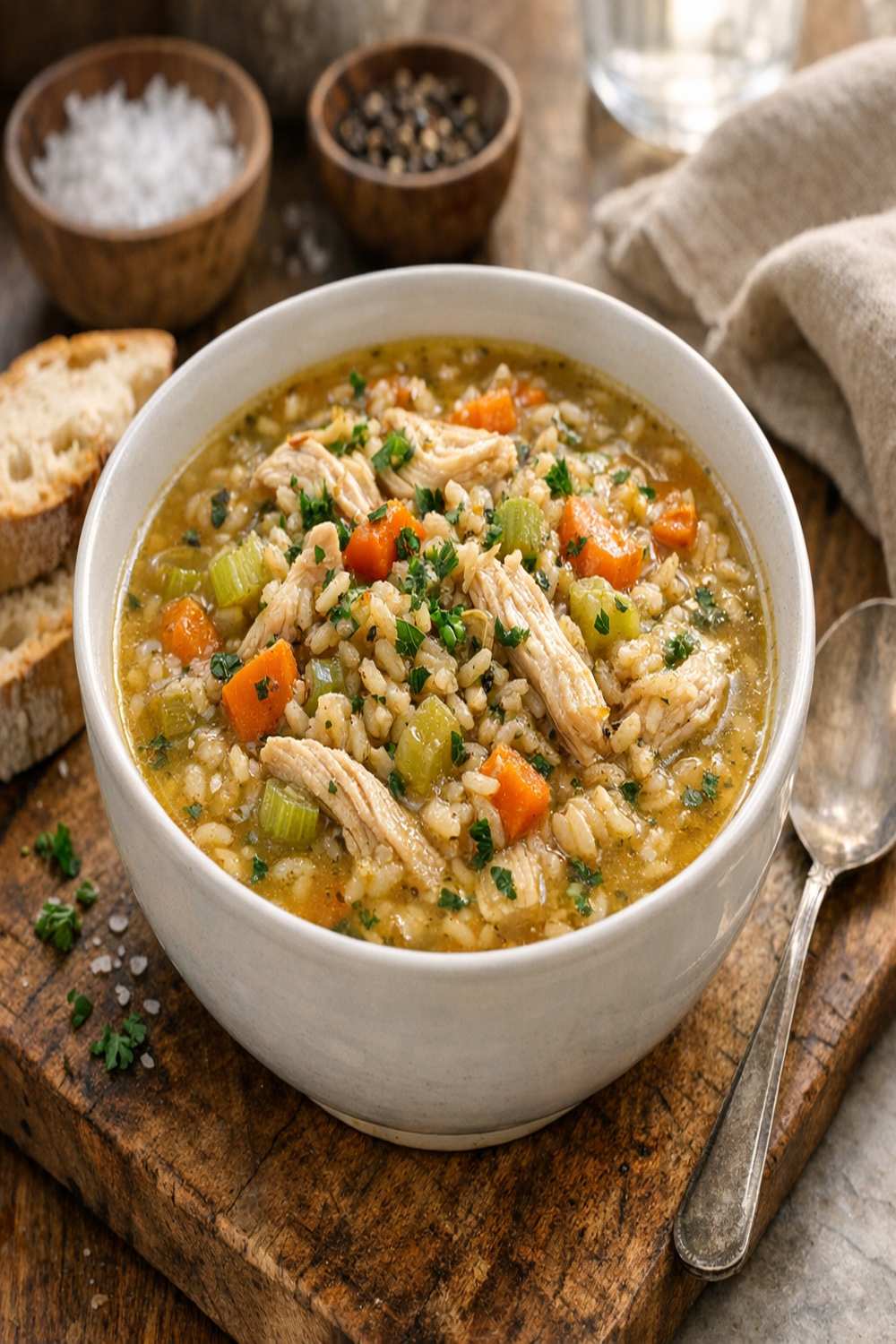
The Visual Elements That Make This Dish Stunning
Before we even taste this soup, let’s talk about what our eyes see first. A beautiful bowl of chicken and brown rice soup is a study in warm, inviting colors and textures. The deep golden broth catches the light. The vegetables create little pockets of color throughout. The shredded chicken becomes silky threads that you can actually see. This isn’t fancy food—it’s honest food that looks as good as it tastes.
- Golden-amber broth – This comes from the low-sodium chicken broth combined with the natural starches from the rice and the caramelization of the vegetables. The longer you let the vegetables soften, the more their sugars caramelize, deepening that beautiful color.
- Vibrant vegetable pieces – The orange from the carrots, the pale yellow of the onion, and the white of the celery create a natural color palette that reads as both elegant and comforting. These aren’t pureed or blended—you see each piece clearly.
- Texture contrast – The soft rice grains settle at the bottom, the vegetables maintain some firmness, and the shredded chicken creates delicate strands. When you look at it, you know there are different textures waiting for you.
Choosing Ingredients for Maximum Nourishment and Flavor
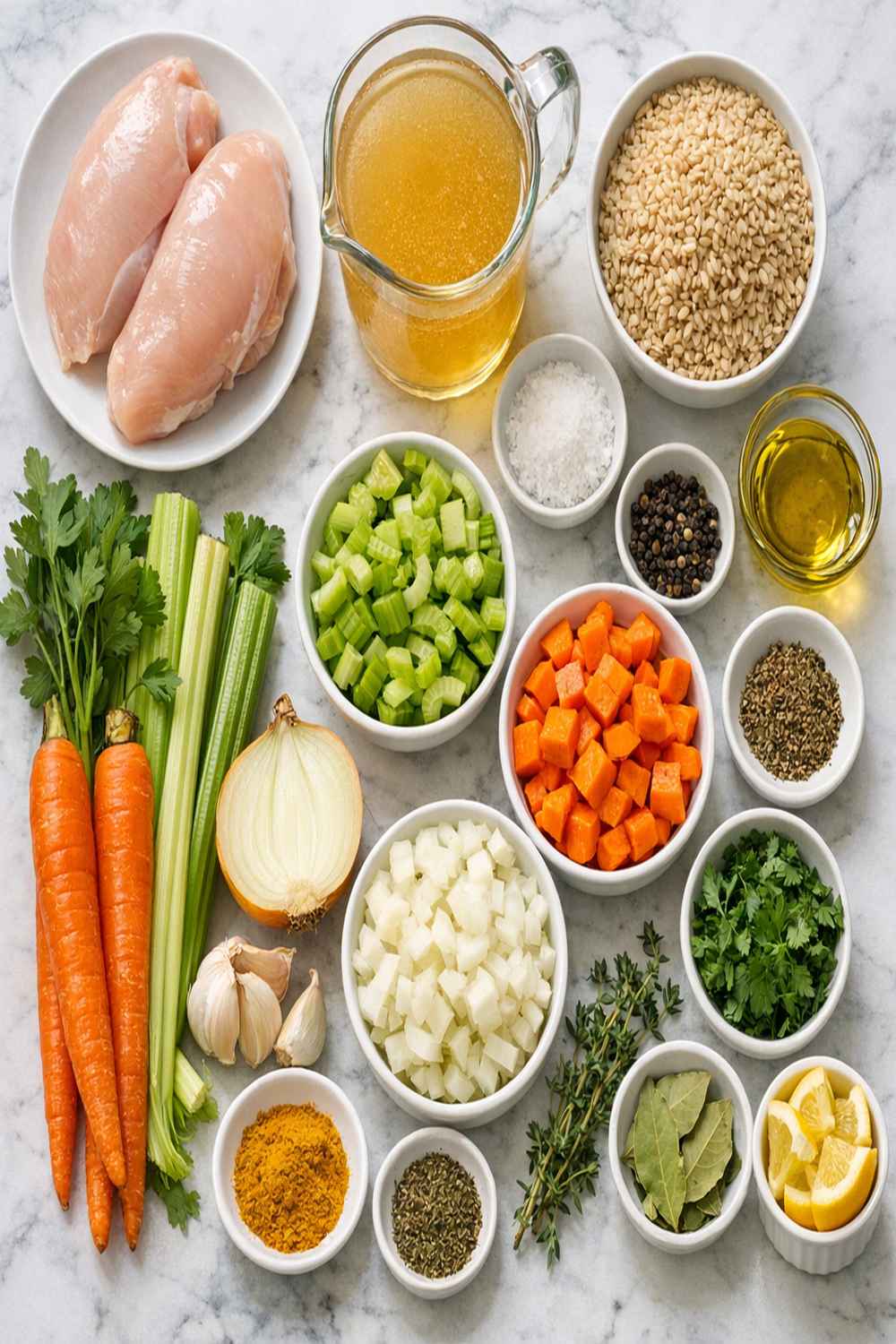
I choose every ingredient in this soup for two reasons: how it nourishes your body and how it tastes. Nothing here is complicated or hard to find. Everything is real food that you’ve probably cooked with before. That’s intentional. My philosophy as a dietitian is that the best nutrition is food you’ll actually make, and that means keeping your ingredient list stress-free.
This recipe makes approximately 6 generous servings, perfect for serving your family with enough for a weekday lunch later in the week.
- 1 tablespoon fresh lemon juice (a squeeze at the end brightens everything)
- 1 medium yellow onion, finely diced (the foundation of flavor in every good soup)
- ⅛ teaspoon freshly cracked black pepper (always grind this fresh if you can)
- ½ cup heavy cream or evaporated milk, optional (adds richness and silkiness if you choose to include it)
- 1 rib of celery, finely diced (adds depth without overwhelming the palate)
- 2 cloves fresh garlic, minced (fresh rather than powder gives brightness)
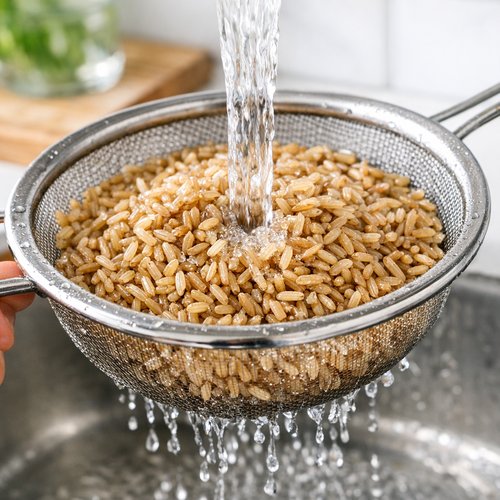
- 1 cup long-grain brown rice (rinsed under cool water first to remove excess starch)
- 3 large carrots, peeled and cut into bite-sized pieces (their natural sweetness balances the savory broth)
- 5 cups low-sodium chicken broth (the quality of your broth matters—taste it before adding salt)
- 1 teaspoon dried parsley (brings herbaceous notes without fussiness)
- 1 tablespoon extra virgin olive oil (for sautéing without added flavors that compete)
- ½ teaspoon dried thyme (a classic pairing that makes people say “that tastes like home”)
- 1 teaspoon fine sea salt (adjust this based on your broth’s sodium content)
- 2 bay leaves (optional but they add aromatic depth)
- 2 boneless, skinless chicken breasts, about 1 pound total (they’ll cook gently in the broth)
How to Make This Chicken and Brown Rice Soup Recipe
I’m going to walk you through this step-by-step, the way I’d teach you in my kitchen. There’s nothing to be nervous about here. You’re going to heat oil, add vegetables, build flavor, and let the broth do most of the work. This is accessible, real cooking.
Step 1: Start Your Flavor Foundation
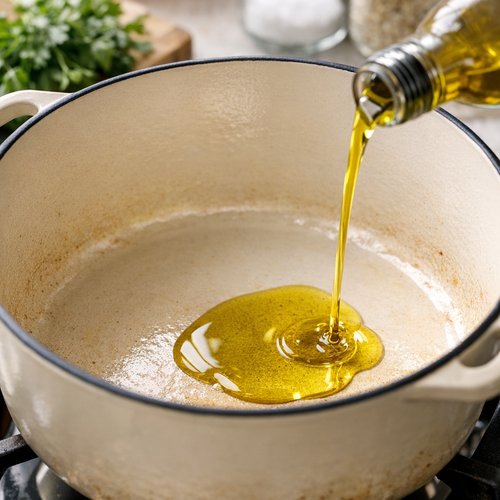
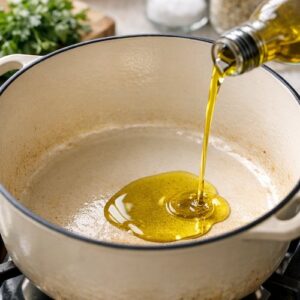
Pour your olive oil into a large soup pot or Dutch oven and set the heat to medium-high. Let it warm for about a minute—you want it hot enough that when you add your vegetables, they sizzle immediately. This is the moment where flavor begins to develop. When the oil shimmers slightly, add your carrots, onion, and celery all at once. You’ll hear that beautiful sizzle—that’s caramelization starting to happen.
Stir these vegetables frequently, scraping the bottom of the pot where they might stick. You’re looking for the onion to turn golden and translucent, which takes about 3 to 4 minutes. This isn’t rushed. The slower you cook these vegetables at this stage, the more complex your final broth will taste. Don’t walk away—stay present with your cooking. Notice the aromas changing, the colors deepening.
Step 2: Build Aromatic Depth
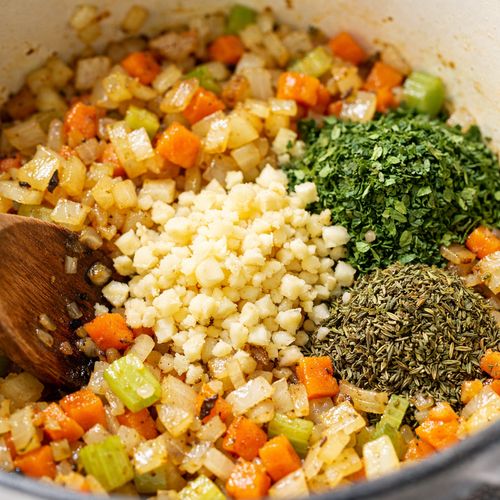
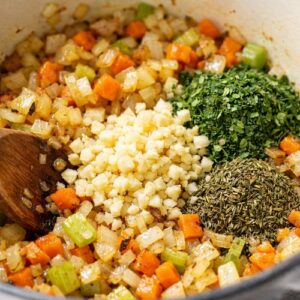
Once your vegetables have softened and the onion has taken on that beautiful golden tone, add your minced garlic, dried parsley, and dried thyme. You’ll immediately smell something wonderful—this is your kitchen telling you that you’re doing this right. Stir everything together and let it cook for exactly one minute. This brief cooking time softens the garlic and blooms the dried herbs without burning them.
A pro tip from my years as a dietitian: dried herbs need heat to release their essential oils and flavor compounds. That one minute in the hot oil is what transforms them from dusty-tasting to aromatic and alive.
Step 3: Prepare and Add Your Rice
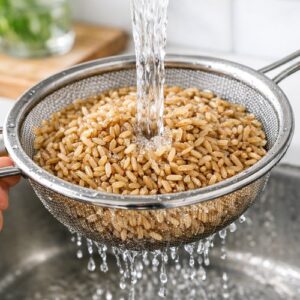
While your aromatics are cooking, place your brown rice in a fine mesh sieve and rinse it under cool running water. This step matters more than you might think. Rinsing removes excess starch from the outside of the rice grains, which prevents your soup from becoming gluey and cloudy. It also means your broth will stay clear and beautiful.
Add your rinsed rice directly to the pot with the vegetables and aromatics. Stir it in so every grain gets coated with that flavorful oil. This is another moment where you’re building flavor, not just combining ingredients. You should hear the rice grains make a gentle clicking sound as they toast slightly in the hot oil.
Step 4: Add Broth and Chicken
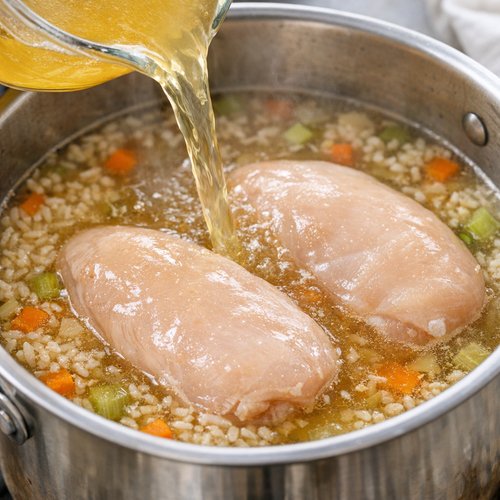
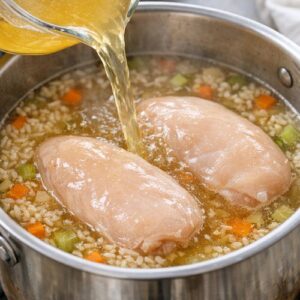
Pour in your 5 cups of low-sodium chicken broth. Place your chicken breasts right in the broth—don’t worry about breaking them up or cutting them smaller. They’ll cook intact, which keeps them tender and makes them easier to shred later. If you’re using bay leaves, add them now. Add your salt and black pepper, then stir everything gently to combine.
Bring the soup to a rolling boil. You’ll see the broth transform from still to animated, with bubbles breaking the surface. This is your signal that everything inside is beginning to cook properly.
Step 5: Gentle Simmer to Tender Perfection
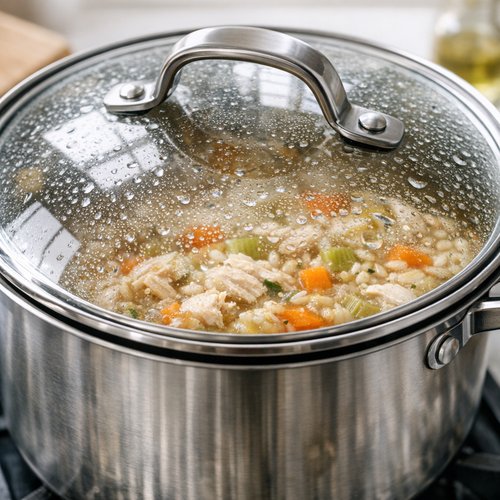
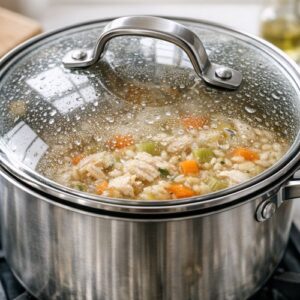
Once your soup reaches a boil, reduce the heat to medium-low and place a lid on your pot. This is important—the lid keeps the steam inside, which helps everything cook evenly and prevents the broth from reducing too quickly. Set your timer for 15 minutes and stir occasionally, maybe every 5 minutes or so. The vegetables should be becoming tender, the rice should be absorbing the broth, and the chicken should be cooking gently through.
After 15 minutes, you can test for doneness by piercing a carrot with a fork—it should yield easily without being mushy. The rice grains should be tender but not falling apart.
Step 6: Shred and Finish
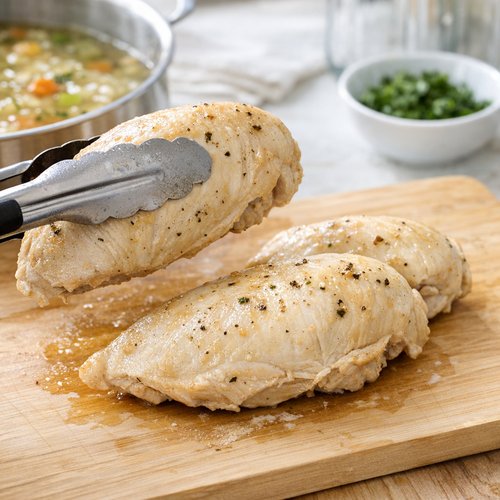
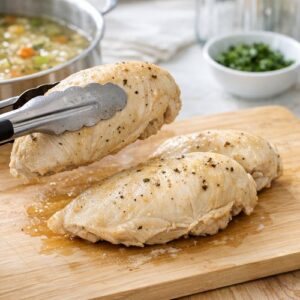
Using tongs or a slotted spoon, carefully remove the chicken breasts from the pot and place them on a clean cutting board. Let them cool just enough to handle—about 2 minutes. They’ll be tender and easy to shred. Using two forks or a fork and a knife, pull the chicken into bite-sized pieces. The meat should fall apart naturally if it’s cooked properly.
Return the shredded chicken to the pot and stir it in gently. If you’re using the cream or evaporated milk, add it now and stir until combined. The soup will become slightly richer and silkier. Just before serving, squeeze in that fresh lemon juice—it brightens everything and adds complexity you didn’t know was missing.
Taste your soup. Adjust the salt and pepper as needed. This is your moment to season to your preference. Remember, your broth might have been saltier or less salty than mine, so trust your own palate.
The Plating Masterclass
Here’s what I’ve learned about serving this soup beautifully: it doesn’t require fancy plating techniques, but intention does matter. You’re not just pouring soup into a bowl—you’re presenting nourishment and care.
- Use warm bowls – Run your serving bowls under hot water or place them in a warm oven for 2 minutes before serving. A warm bowl keeps your soup at the ideal temperature longer and makes the meal feel more thoughtful.
- Ladle with intention – Use a ladle to serve, making sure each bowl gets a good distribution of vegetables, rice, and chicken. The ladle allows you to present the soup with respect rather than just dumping it in.
- Garnish simply – A light sprinkle of fresh parsley on top, a small drizzle of cream if you didn’t add it to the whole pot, or a grind of fresh black pepper adds a professional touch without fussiness. The garnish should look like it belongs there, not like an afterthought.
- Serve with purpose – Alongside each bowl, place a small bread plate with crusty bread, homemade crackers, or oyster crackers. This gives people something to do with their hands and extends the comfort of the meal.
Photography Tips for This Dish
If you’re making this soup and want to capture it at its best—maybe to share with family or just to remember the moment—here’s what I’ve learned about photographing it.
- Natural light is your friend – Photograph your soup bowl near a window with soft, diffused sunlight. The warm golden tones of the broth absolutely sing in natural light. Avoid direct harsh sunlight, which creates unflattering shadows.
- Shoot straight-on or from a 45-degree angle – This angle lets people see the depth of the soup, the vegetables below the surface, and the shredded chicken clearly. A bird’s-eye view from directly above loses the dimension that makes this soup interesting.
- Include context clues – A spoon on the saucer, a small plate of bread nearby, maybe a napkin or fresh herb in the background—these tell the story that this is real food for a real meal, not just a pretty picture.
- Capture the steam – If you can photograph it right after serving, the steam rising from the bowl adds life and warmth to the image. It says “this is hot, this is fresh, this is ready for you.”
Expert’s Nutritional Insight
As a registered dietitian, I want you to understand why I specifically chose brown rice over white rice for this soup. Brown rice retains its bran layer, which contains fiber, B vitamins, and minerals that white rice loses during processing. One cup of cooked brown rice provides about 3.5 grams of fiber, which supports digestive health and helps you feel satisfied longer.
The combination of brown rice (complex carbohydrates), lean chicken (protein), and vegetables (micronutrients and fiber) creates a nutritionally complete meal. This isn’t just comfort food—it’s functional nutrition that your body recognizes and uses efficiently. The broth itself becomes enriched with collagen from the chicken and minerals from the vegetables, creating what I call “liquid nutrition” that your body absorbs easily.
Make-Ahead Guide for Busy Weeknights
One of the reasons I love this soup is that it works beautifully with meal prep. Here’s how I make it fit into real life.
Prep the vegetables the night before: Peel and chop your carrots, onion, and celery. Store them in separate containers in the refrigerator. This gives you a head start in the morning or after work. When you get home, you’re just sautéing pre-cut vegetables instead of standing there with a knife.
Make the full soup up to 3 days ahead: This soup stores beautifully in the refrigerator. Let it cool completely before covering. The flavors actually deepen over time as the rice continues absorbing the broth. Reheat gently on the stovetop over medium heat, adding a splash of broth or water if it’s thickened too much. Don’t microwave it—the gentle stovetop method keeps the texture better.
Freeze for up to 3 months: You can freeze this soup in individual portions or in larger containers. I recommend leaving out the cream if you’re freezing—add it fresh when you reheat. Leave about an inch of headspace in containers, as the soup will expand slightly when frozen. Thaw overnight in the refrigerator, then reheat gently.
Make just the broth base ahead: If you want to keep things super flexible, make the soup through step 5 but remove the chicken before shredding. Cool and freeze the broth with vegetables and rice separately from the chicken. When you’re ready to eat, thaw, add fresh chicken if you’d like, and you have a fresh, hot meal in minutes.
Common Mistakes to Avoid
I’ve made—and learned from—plenty of kitchen mistakes, and I want to save you from a few that I see people make with this soup.
Mistake 1: Skipping the vegetable sauté step. Some home cooks want to save time by dumping everything in at once. But those few minutes of letting the vegetables caramelize are what transforms this from “okay soup” to “this tastes like someone who loves me made this.” That golden onion, that deepened color—it matters.
Mistake 2: Using high heat for the entire cook time. If you keep the heat high after the initial boil, your broth will reduce too much, your rice will overcook, and your soup becomes thick and pasty instead of brothy and elegant. Medium-low heat after the boil is your friend. It’s slow cooking, which extracts more flavor with less fussiness.
Mistake 3: Not tasting and adjusting seasoning at the end. Every broth is different. Your broth might be saltier or less salty than mine. The only way to know is to taste it. Keep salt within arm’s reach and adjust as you serve. Let your palate guide you, not the recipe.
Mistake 4: Rinsing the chicken with hot water after cooking. Some people do this to try to remove the surface layer quickly. Don’t. Let the chicken cool naturally, and the texture will be better. The brief 2-minute cool-down also prevents you from burning your fingers, which is always nice.
Seasonal Variations
This soup changes beautifully with the seasons, and I love how you can adapt it to what’s fresh and available.
Spring version: Add fresh peas, fresh dill instead of thyme, and some young spinach at the very end. A squeeze of fresh lemon juice brightens everything. The soup becomes lighter, more herbaceous, reflecting the season of new growth.
Summer version: Use fresh corn kernels, add fresh basil at the end, and maybe include some fresh green beans. Keep it bright and less heavy. This soup cools beautifully for warm-weather eating, and the fresh herbs make it feel seasonal and intentional.
Fall version: Add diced sweet potato along with the carrots, include sage instead of thyme, and maybe a pinch of cinnamon. The soup becomes slightly sweeter and earthier, matching the season’s comfort food instinct.
Winter version: This is the version I’ve shared with you—the classic, rich version. You might add kale or hearty greens, maybe a splash of cream, and serve it with crusty bread. It’s the soup that warms you from the inside out on cold days.
Can I Store Chicken and Brown Rice Soup?
Yes, and this is where this recipe becomes truly practical for real life. Store your cooled soup in airtight containers in the refrigerator for up to 3 days. The flavors actually become more developed as it sits, so the second or third day might taste even better than the first day.
For freezer storage, keep it for up to 3 months. I recommend freezing in portions so you can thaw exactly what you need. Thaw overnight in the refrigerator or use a slow-thaw method where you move the container from freezer to fridge in the morning.
When reheating, use gentle heat on the stovetop. Medium heat, stirring occasionally, takes about 10 minutes. If the soup has thickened too much (this happens as the rice continues to absorb liquid), thin it with a splash of broth or water. Avoid high heat and rapid reheating, which can make the chicken tough and the rice mushy.
I don’t recommend using a microwave for reheating, though I understand the convenience temptation. The gentle stovetop method creates a better texture and gives you a moment to be present with your food again as it warms.
Nutrition Information
Per serving (makes 6 servings): approximately 310 calories, 28 grams protein, 38 grams carbohydrates, 4 grams fat, 5 grams fiber, and 620 milligrams sodium (before adjusting for individual preference). These numbers are based on USDA nutrition data and include the optional cream version.
Notice what’s in here: real protein from the chicken, complex carbohydrates from the brown rice, fiber from the vegetables, and B vitamins throughout. This is complete nutrition that your body recognizes. There’s nothing processed, nothing your grandmother wouldn’t understand, nothing that needs a label longer than a sentence.
The vegetables contribute vitamins A and C (especially the carrots), plus minerals like potassium. The chicken broth is rich in collagen, which supports joint health and skin elasticity. The brown rice provides sustained energy through its complex carbohydrates. This isn’t just food—it’s medicine in the form of something delicious that you actually want to eat.
What to Serve Alongside for a Complete Meal
This soup stands beautifully on its own, but I always think about what makes a meal feel complete and nourishing. Here’s how I serve it at my table.
A side of crusty bread is obvious, but let me suggest something more: crusty bread toasted with a little butter and fresh garlic, or a simple baked protein like tilapia on the side if you want to make it a fuller meal. Some fresh salad with a light vinaigrette gives you fresh vegetables and acidity that balances the richness of the soup.
For a complete weeknight dinner that feels intentional without being complicated, I’d serve this soup with sliced bread and a simple green salad. Maybe for dessert, something light like a baked lemon donut if you want something sweet to finish.
- Crusty artisan bread – the carbs and texture that let people use the bowl completely, soaking up every drop of broth
- Simple green salad – fresh vegetables and acidity that brighten the meal and add nutritional variety
- Homemade crackers – if you want to be fancy, but honestly, the bread is fine

Chicken And Brown Rice Soup Recipe
Ingredients
- 1 tablespoon fresh lemon juice a squeeze at the end brightens everything
- 1 medium yellow onion, finely diced the foundation of flavor in every good soup
- ⅛ teaspoon freshly cracked black pepper always grind this fresh if you can
- ½ cup heavy cream or evaporated milk, optional adds richness and silkiness if you choose to include it
- 1 rib of celery, finely diced adds depth without overwhelming the palate
- 2 clove fresh garlic, minced fresh rather than powder gives brightness
- 1 cup long-grain brown rice rinsed under cool water first to remove excess starch
- 3 large carrots, peeled and cut into bite-sized pieces their natural sweetness balances the savory broth
- 5 cup low-sodium chicken broth (the quality of your broth matters
- 1 teaspoon dried parsley brings herbaceous notes without fussiness
- 1 tablespoon extra virgin olive oil for sautéing without added flavors that compete
- ½ teaspoon dried thyme a classic pairing that makes people say "that tastes like home"
- 1 teaspoon fine sea salt adjust this based on your broth's sodium content
- 2 bay leaves optional but they add aromatic depth
- 2 boneless, skinless chicken breasts, about 1 pound total they'll cook gently in the broth
Instructions
Step 1: Start Your Flavor Foundation
- Pour your olive oil into a large soup pot or Dutch oven and set the heat to medium-high. Let it warm for about a minute—you want it hot enough that when you add your vegetables, they sizzle immediately. This is the moment where flavor begins to develop. When the oil shimmers slightly, add your carrots, onion, and celery all at once. You'll hear that beautiful sizzle—that's caramelization starting to happen. Stir these vegetables frequently, scraping the bottom of the pot where they might stick. You're looking for the onion to turn golden and translucent, which takes about 3 to 4 minutes. This isn't rushed. The slower you cook these vegetables at this stage, the more complex your final broth will taste. Don't walk away—stay present with your cooking. Notice the aromas changing, the colors deepening.
Step 2: Build Aromatic Depth
- Once your vegetables have softened and the onion has taken on that beautiful golden tone, add your minced garlic, dried parsley, and dried thyme. You'll immediately smell something wonderful—this is your kitchen telling you that you're doing this right. Stir everything together and let it cook for exactly one minute. This brief cooking time softens the garlic and blooms the dried herbs without burning them. A pro tip from my years as a dietitian: dried herbs need heat to release their essential oils and flavor compounds. That one minute in the hot oil is what transforms them from dusty-tasting to aromatic and alive.
Step 3: Prepare and Add Your Rice
- While your aromatics are cooking, place your brown rice in a fine mesh sieve and rinse it under cool running water. This step matters more than you might think. Rinsing removes excess starch from the outside of the rice grains, which prevents your soup from becoming gluey and cloudy. It also means your broth will stay clear and beautiful. Add your rinsed rice directly to the pot with the vegetables and aromatics. Stir it in so every grain gets coated with that flavorful oil. This is another moment where you're building flavor, not just combining ingredients. You should hear the rice grains make a gentle clicking sound as they toast slightly in the hot oil.
Step 4: Add Broth and Chicken
- Pour in your 5 cups of low-sodium chicken broth. Place your chicken breasts right in the broth—don't worry about breaking them up or cutting them smaller. They'll cook intact, which keeps them tender and makes them easier to shred later. If you're using bay leaves, add them now. Add your salt and black pepper, then stir everything gently to combine. Bring the soup to a rolling boil. You'll see the broth transform from still to animated, with bubbles breaking the surface. This is your signal that everything inside is beginning to cook properly.
Step 5: Gentle Simmer to Tender Perfection
- Once your soup reaches a boil, reduce the heat to medium-low and place a lid on your pot. This is important—the lid keeps the steam inside, which helps everything cook evenly and prevents the broth from reducing too quickly. Set your timer for 15 minutes and stir occasionally, maybe every 5 minutes or so. The vegetables should be becoming tender, the rice should be absorbing the broth, and the chicken should be cooking gently through. After 15 minutes, you can test for doneness by piercing a carrot with a fork—it should yield easily without being mushy. The rice grains should be tender but not falling apart.
Step 6: Shred and Finish
- Using tongs or a slotted spoon, carefully remove the chicken breasts from the pot and place them on a clean cutting board. Let them cool just enough to handle—about 2 minutes. They'll be tender and easy to shred. Using two forks or a fork and a knife, pull the chicken into bite-sized pieces. The meat should fall apart naturally if it's cooked properly. Return the shredded chicken to the pot and stir it in gently. If you're using the cream or evaporated milk, add it now and stir until combined. The soup will become slightly richer and silkier. Just before serving, squeeze in that fresh lemon juice—it brightens everything and adds complexity you didn't know was missing. Taste your soup. Adjust the salt and pepper as needed. This is your moment to season to your preference. Remember, your broth might have been saltier or less salty than mine, so trust your own palate.
Notes
FAQs
Can I use white rice instead of brown rice?
You can, and the soup will still be delicious. White rice cooks faster (about 10-12 minutes instead of 15), so adjust your total cooking time. You’ll also lose some of the fiber and nutrient density—brown rice really is worth the minimal extra time. The texture will be slightly different too; brown rice maintains more structure while white rice becomes softer. From a nutritional standpoint, brown rice is my preference, but from a practicality standpoint, use what you have and what you prefer.
What if I don’t have low-sodium broth?
Use what you have, but start with less salt in the recipe. Regular broth is already quite salty, and you can always add more salt at the end as you taste. This is why the final tasting step is so important—it lets you adjust for whatever broth you’re using. You might end up using ½ teaspoon salt instead of 1 teaspoon, depending on your broth.
Can I add other vegetables to this soup?
Absolutely. I’ve added green beans, peas, spinach, kale, diced sweet potato, and corn to this soup depending on the season and what I have on hand. Add heartier vegetables like potatoes or sweet potato early (with the carrots), and add delicate vegetables like spinach or peas in the last minute so they don’t overcook.
How do I know when the chicken is fully cooked?
The chicken is done when it reaches an internal temperature of 165 degrees Fahrenheit, but you don’t need a thermometer. If you poke it with a fork and clear liquid (not pink) runs out, it’s done. By the 15-minute mark in this recipe, it should be cooked through. The gentle simmering method cooks it perfectly without drying it out.
Is the cream necessary?
No. This soup is delicious with or without it. The cream adds richness and silkiness, which is lovely, but the broth is flavorful and nourishing on its own. I skip the cream sometimes when I’m serving this to people who prefer lighter meals. The soup still tastes like someone who loves them made it.
More Recipes for Comforting Home Cooking
- my oven-baked chicken – another chicken dish that feels elegant but tastes like home
- Baked Mac N Cheese Recipe – the ultimate comfort food that makes everyone happy
- my oven-baked chicken – fresh and light but equally satisfying
I hope you make this chicken and brown rice soup soon. I hope you notice how the aroma fills your kitchen, how people gather around the table without being asked, how a simple bowl of soup becomes a moment of connection. This is what I learned in my mother’s kitchen, and what I’ve carried with me into my work as a dietitian: the most nourishing food is always the food made with intention and love.
Your body needs fuel, yes. But your soul needs to know that someone cares. Every time you make this soup, you’re saying that with every stir of the spoon, every taste to adjust the seasoning, every warm bowl placed in front of someone you care about.
Happy Cooking!